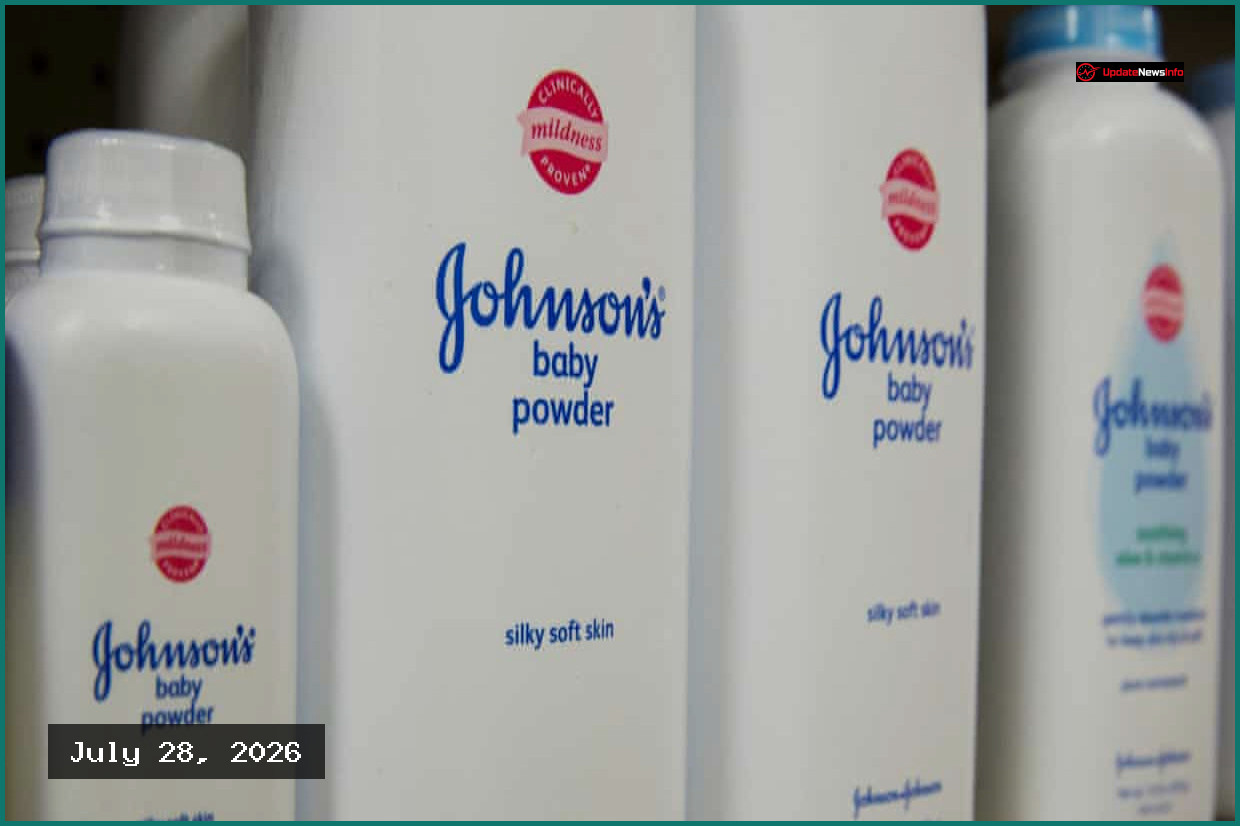
Johnson & Johnson has announced a $5.5bn settlement agreement to resolve the majority of pending lawsuits alleging that its talc products contained asbestos and caused cancer. This move follows the company's previous success in settling most cases involving mesothelioma allegations. The New Jersey-based multinational has consistently denied that its talc products cause cancer, maintaining that the material is safe and free of asbestos.
Erik Haas, the company's vice-president of litigation, stated that while Johnson & Johnson maintains that the claims are meritless, the decision to settle was made to secure closure. "While we are confident the company would have ultimately prevailed with further litigation, as it has in the vast majority of cases tried to date, this resolution allows the company to put this matter behind it and remain focused on its mission to develop medicines and devices that save lives," Haas said.
Chris Seeger, a lawyer representing approximately 2,500 clients with talc claims who participated in the negotiations, suggested the total payout could eventually exceed $7bn. According to Seeger, the agreement assigns specific values to qualifying ovarian cancer claims without placing a cap on the company’s overall expenditure. He expressed satisfaction with the outcome, noting that his clients would be pleased with the terms.
The settlement follows a series of legal successes for the company, including individual trial victories, successful efforts to disqualify plaintiffs’ attorneys, and court rulings that limited the use of certain expert testimony. Notably, a federal judge recently cast doubt on the ability of individual plaintiffs to prove that talc was the specific cause of their ovarian cancer. The company ceased sales of its talc-based baby powder in the United States in 2020, replacing it with a cornstarch-based product. Litigation resumed in March 2025 following a three-year pause during which the company unsuccessfully attempted to utilize a "Texas two step" bankruptcy strategy to resolve claims through a shell-company subsidiary. Each of those three bankruptcy filings ended in dismissal.
Unlike previous bankruptcy proposals, this current agreement applies exclusively to existing claims and excludes future lawsuits. Seeger highlighted that this structure makes more funding available to current plaintiffs and accelerates the payment timeline, ensuring all claims are settled within 18 months rather than over a decade.