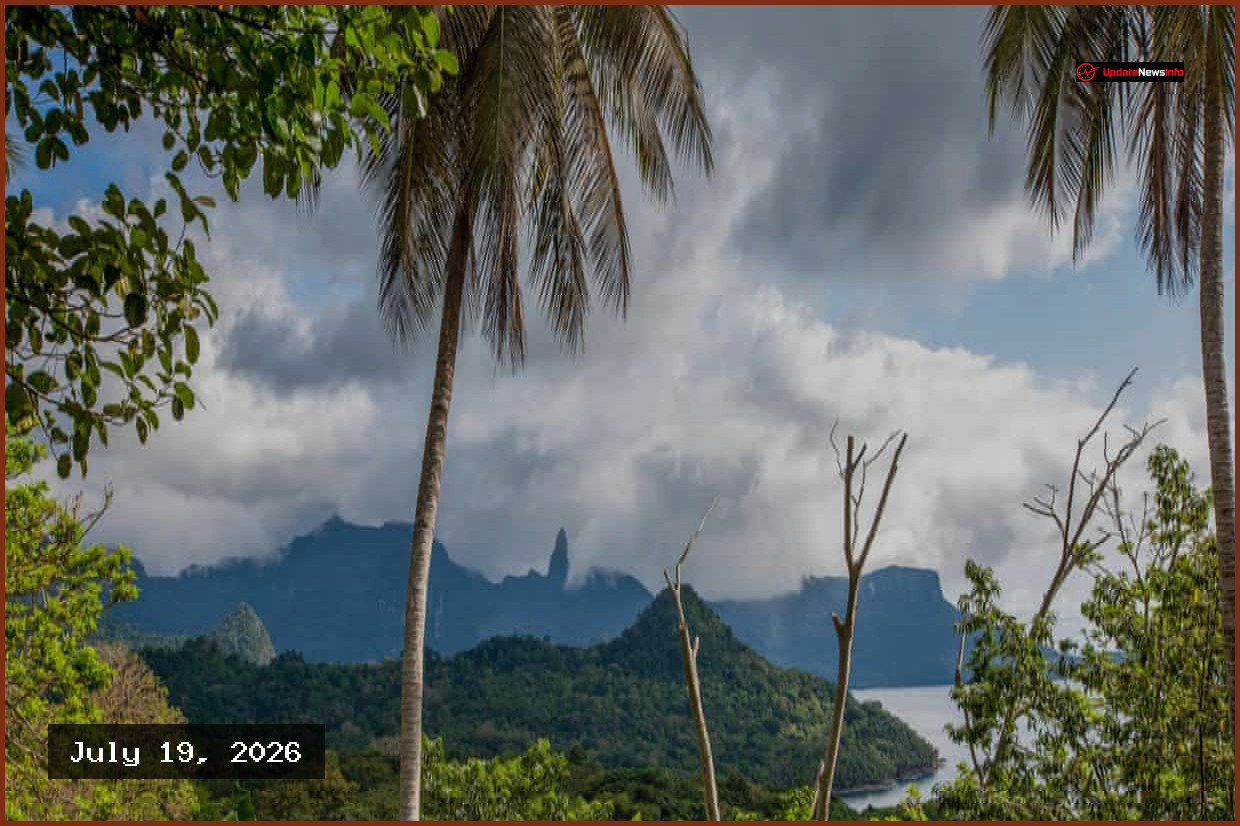
Citizens of São Tomé and Príncipe are heading to the polls this Sunday for a presidential election, as the nation aims to maintain its long-standing reputation for peaceful and democratic transitions. According to the National Election Commission, approximately 142,000 voters are registered, with about 15% residing in the diaspora.
The incumbent president, Carlos Vila Nova, is seeking a second term as an independent candidate. He was originally elected in 2021 as the representative of the Acção Democrática Independente (ADI), but his relationship with the party has since deteriorated. This political friction intensified in January of last year when Vila Nova dismissed Prime Minister Patrice Trovoada. The subsequent political instability saw a short-lived replacement, Ilza Amado Vaz, who resigned after only three days, eventually leading to the appointment of the current prime minister, Américo Ramos.
Vila Nova faces four opponents in the race, including Nito D’Abreu, the parliamentary leader for the ADI. Another candidate, former Prime Minister Jorge Bom Jesus, remains on the ballot after missing the deadline to withdraw his independent candidacy. While the ADI faction led by Ramos is supporting D’Abreu, the Movement for the Liberation of São Tomé and Príncipe—the main opposition—has joined a coalition in support of the incumbent. If no candidate secures more than 50% of the vote, the election will proceed to a second round.
The electoral process has not been without controversy. Businessman Domingos Monteiro, president of the São Toméan Football Federation since 2015, was disqualified by the constitutional court. The court ruled he failed to meet eligibility requirements because his parents never became naturalized citizens after moving from Cape Verde. Monteiro has criticized the decision as discriminatory and xenophobic.
Voters are heading to the polls with significant concerns, including government corruption, high inflation, youth unemployment, frequent blackouts, and chronic fuel shortages. During a debate on Tuesday, D’Abreu labeled corruption as the country's greatest catastrophe since independence. As a strategic western ally in the Gulf of Guinea, the nation is being monitored by observer missions from the European Union, G7+, and the Community of Portuguese Language Countries. The outcome of the election will be critical for the country’s economic future, particularly regarding its offshore oil deposits and role in regional maritime security.
Since gaining independence from Portugal in 1975, the island country off Africa’s west coast has built a solid reputation for peaceful, competitive elections. But this year’s vote comes amid a tense political atmosphere and a lingering constitutional crisis.