The State Meteorological Agency (AEMET) has issued an official warning regarding the onset of Spain’s second heatwave of the 2026 summer season. This weather event is scheduled to begin this Sunday and is projected to persist until at least Tuesday, bringing extreme temperatures of up to 42ºC to river valleys in the south-west of the mainland.
According to agency data, Monday is expected to be the most severe day of this period. Forecasts indicate temperatures will reach 38–40ºC in the Minho valley and 37–39ºC in the interior of A Coruña. Meanwhile, the south-western quadrant will experience widespread maximums of 39–41ºC, with some river valleys hitting 42ºC. Similar intense heat, ranging from 37–40ºC, is anticipated on the southern plateau, the Ebro valley, and various north-eastern depressions.
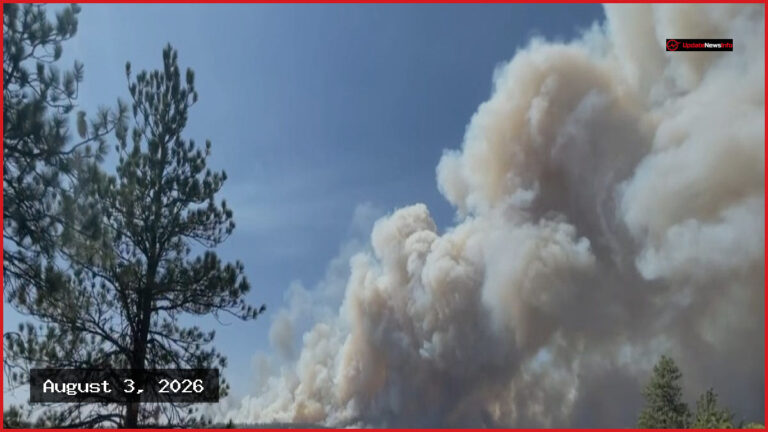
Contrary to initial expectations, the peak intensity will likely arrive on Tuesday, when temperatures could climb as high as 44ºC. This extreme heat is expected to complicate efforts to control the Bisbal d’Empordá wildfire. While western Galicia may see some relief as maritime air brings cooler temperatures along the coast, eastern Cantabrian areas and the Ebro valley will see further heat increases. By Wednesday, while there is some uncertainty regarding the influence of an isolated upper-level depression, known as a “dana,” it is likely that values will remain above 39–40ºC in the south-west, on the southern plateau, and in inland south-eastern areas before a potential decline on Thursday.
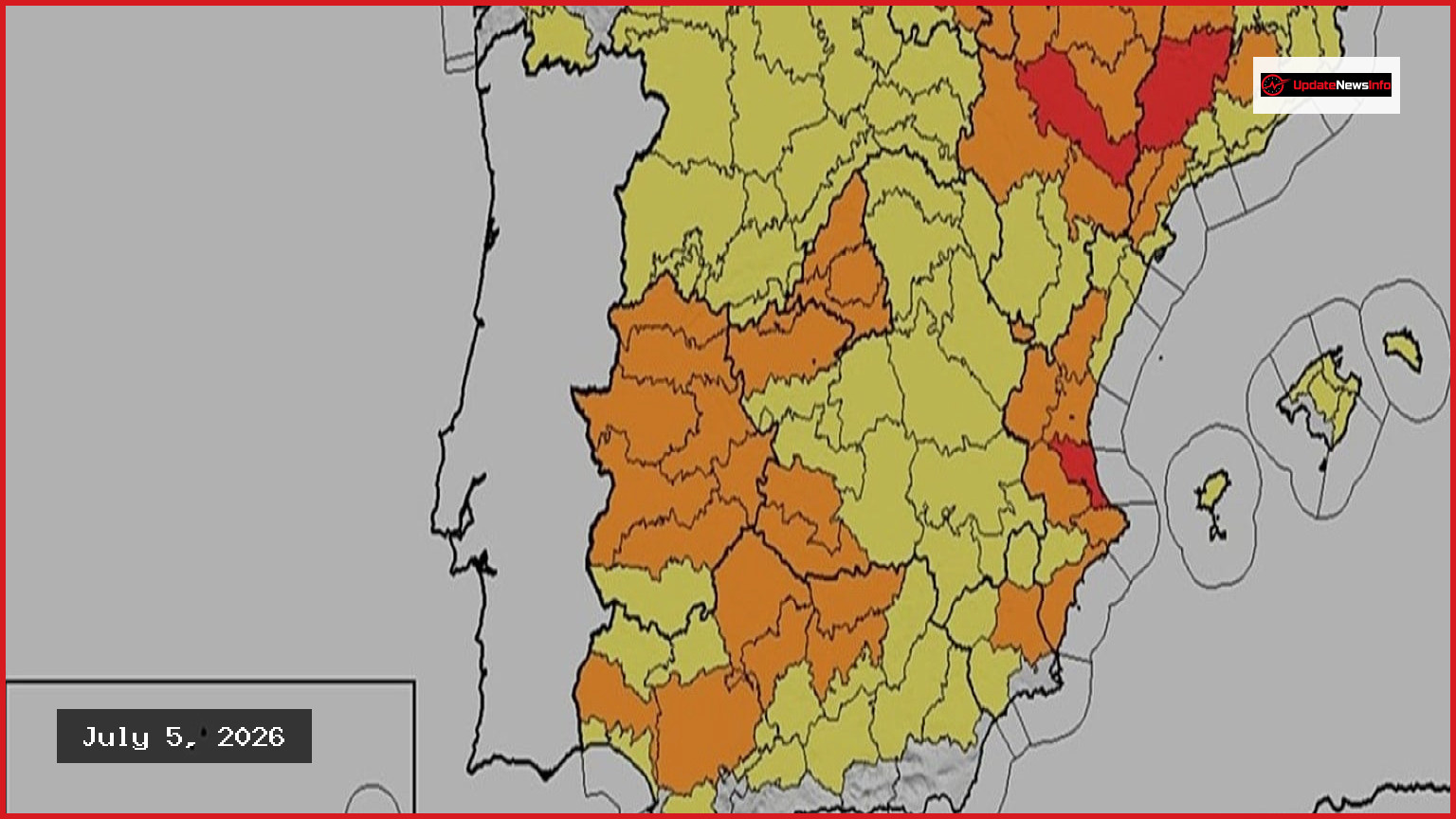
Andalusia remains the primary focus of the heatwave. On Saturday, AEMET activated orange alerts for Seville, Huelva, and Jaén, with yellow alerts for Cádiz and Granada, where temperatures are expected to hit 40 degrees. Added to this, along the Cádiz coastline there is a yellow alert for gusts of Levante wind that call for extra caution in the Strait of Gibraltar. The agency’s special notice describes a broad map where the south-western quadrant of the mainland, the Guadiana and Guadalquivir valleys, the Ebro valley, and north-eastern depressions concentrate the highest risk, although the phenomenon also affects inland Galicia, the southern plateau, the eastern Cantabrian coast, and the Balearic Islands, where highs of between 36ºC and 38ºC are expected in Mallorca.
The Canary Islands, often spared from mainland heatwaves, are also under threat. The General Directorate of Emergencies has declared a forest fire risk alert for Gran Canaria and Tenerife starting Sunday. By Tuesday, the eastern province is expected to move to an orange alert, with the remaining islands under a yellow alert. Across the country, AEMET continues to update its alert maps dynamically.
This current event follows a June heatwave that the Ministry of Health’s MoMo system estimates caused nearly 900 deaths. To be classified as a heatwave, temperatures must exceed the 95th percentile, last at least three days, and cover over 10% of the territory—conditions currently expected to be met. Health officials remain concerned about “tropical nights,” where minimum temperatures will hover between 20–26ºC, with peaks of 27–28ºC, offering little rest for the population. Alongside public health concerns, wildfire risks remain high, with the INFOCA plan active in Andalusia.
Health authorities advise the public to avoid midday sun exposure, stay hydrated, refrain from intense outdoor physical exercise, and monitor vulnerable individuals such as the elderly, children, and those with chronic illnesses. Citizens are encouraged to consult aemet.es for the most up-to-date warnings.