Philadelphia’s Independence Hall, the site where the Declaration of Independence was ratified 250 years ago, currently stands in stark contrast to the national tone surrounding the country’s landmark birthday. While historical figures like Adams, Franklin, and Jefferson risked their lives to defy the British Empire, today’s celebrations have devolved into political rancor and existential concern. Historians and critics argue that the semiquincentennial has become a source of division rather than a moment for national unity.
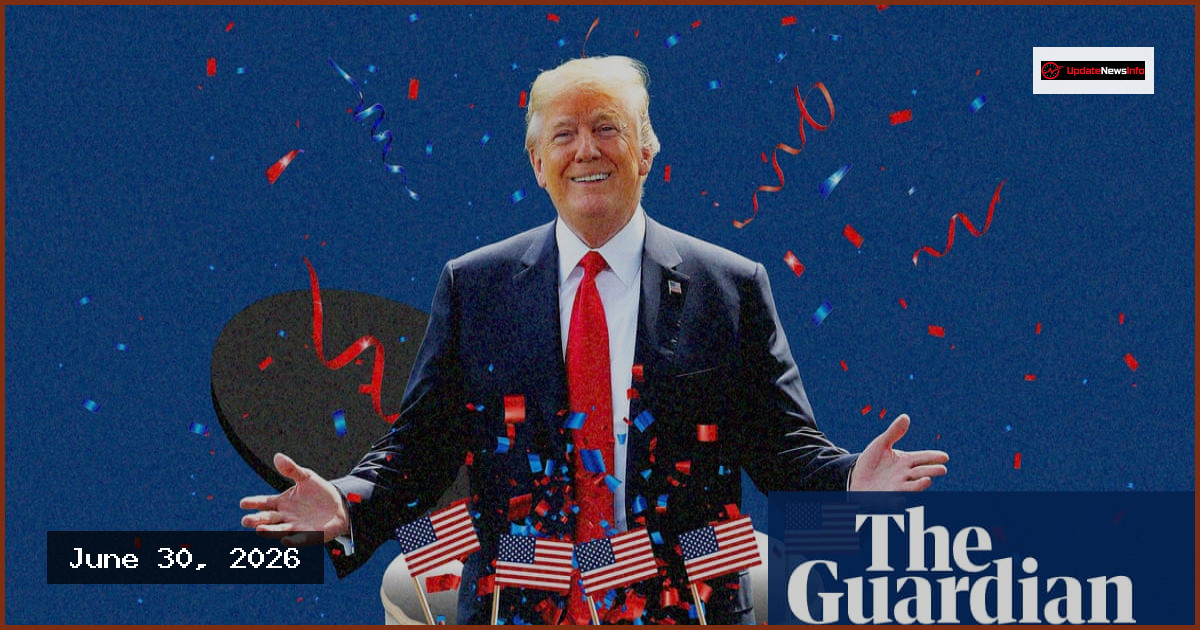
In Washington DC, the official festivities appear less like a civic jubilee and more like a reality television production. President Trump, who has anticipated this anniversary throughout his second term, launched a beautification project for the capital that includes grand, controversial architectural plans. A $14.7 million renovation of the Lincoln Memorial reflecting pool recently ended in failure, as no-bid contracts led to an algae bloom and peeling paint, with the president blaming the debacle on vandals.
The administration’s approach has been overtly partisan. Earlier in June, the White House South Lawn hosted Ultimate Fighting Championship matches, followed by a “Great American State Fair” on the National Mall. This event featured military jets and speeches from officials like Sean Duffy, who praised Trump while attacking critics. The fair, which represents all 56 states and territories, has been described as sparsely attended and marred by technical difficulties. The official bipartisan commission, America250, was largely sidelined in favor of the Trump-aligned Freedom 250 initiative.
Historians like Yale’s David Blight compare the current “vanity projects” to the theatrics of authoritarian leaders, describing the atmosphere as a “theatre of the absurd.” This contrasts sharply with the 1976 bicentennial, which focused on historical exhibits and inclusive national displays. Public sentiment reflects this gloom, with recent polling suggesting that many Americans believe the country’s democracy is failing or that the nation might not exist in its current form in another 250 years.
Observers note that beneath the spectacle of UFC fighters and “Freedom Trucks” lies an attempt to recast American history into an exclusionary narrative. Trump’s efforts include executive orders to remove supposedly divisive ideologies from institutions like the Smithsonian and National Park Service. Meanwhile, the rise of explicit Christian nationalism at public events signals a broader ideological struggle over the nation’s future, as demographics shift and faith-based messaging blurs the line between church and state.
Despite the official partisan climate, museums across the country continue to highlight the complexities of American history. Exhibitions in Philadelphia and Montgomery confront the nation’s “original sin” of slavery and celebrate the voices of those who fought for equality. While Trump promotes his own version of American greatness, cultural institutions are maintaining a methodical, quiet resistance by focusing on unvarnished history, ensuring that the spirit of the nation’s founding remains grounded in more than just current political theater.