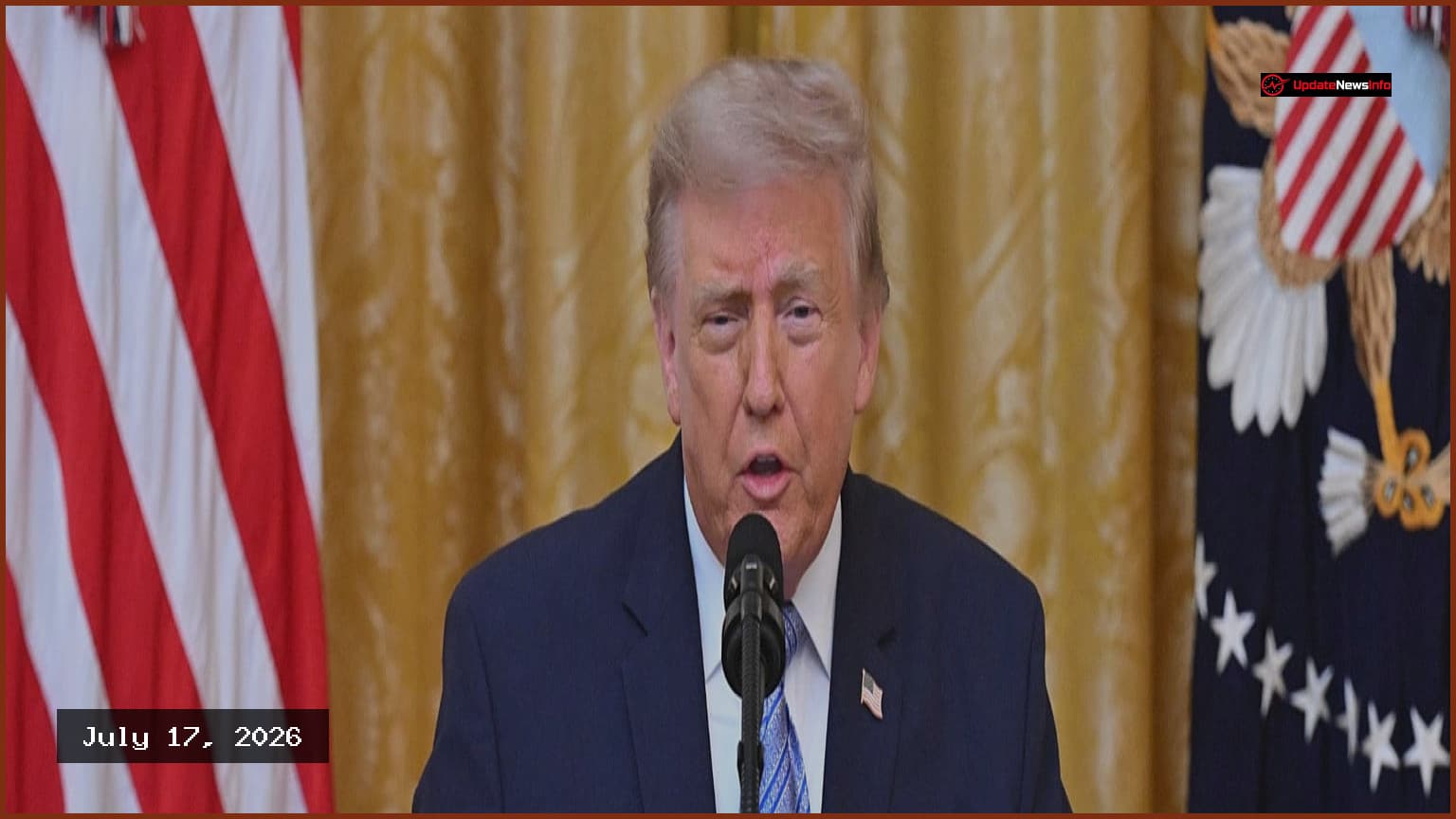
US President Donald Trump utilized a primetime address to the nation on Thursday to reinforce his long-standing assertions regarding voter fraud and election interference. These claims, which he has frequently cited to dispute the results of the 2020 election, remain a central focus of his political messaging. Trump stated that while the country is performing well, it faces a significant challenge that requires urgent attention, emphasizing his belief that greatness is impossible without fair and honest elections.
During the broadcast, the president announced his intention to release classified documents, which he alleged would demonstrate that China illicitly acquired 220 million US voter files. According to Trump, this data includes names, addresses, phone numbers, political party preferences, and other registration information. He described the incident as the largest compromise of election data in history, beginning during the 2020 election cycle, and claimed the forthcoming declassification would expose significant vulnerabilities in American election infrastructure.
Trump argued that the current electoral system falls catastrophically short of the standard of free and fair elections. As part of his response, he used the platform to advocate for a strict voter ID bill in Congress, which would mandate proof of citizenship for registration and require photo identification at polling stations. These claims regarding the 2020 election cycle have been previously contested by audits and reviews, including an assessment by his then-attorney general, William Barr, which found no evidence of widespread voter fraud.
While the president continues to raise doubts about the 2020 outcome, he did not challenge the legitimacy of his electoral victories in 2016 or 2024. Democrats have criticized the speech, warning that the president is attempting to revive debunked claims ahead of the upcoming November midterm elections, a period where Republicans are navigating political headwinds related to the war in Iran. Notably, in May, Trump met with Chinese President Xi Jinping, whom he characterized as a friend and a great leader, while extending an invitation for a White House visit in September. This address follows previous televised speeches from April concerning the war in Iran and a December address focused on the economic climate.
The US president has spent years raising doubts on the 2020 electoral outcome, in which he lost to Democrat Joe Biden, advancing theories that have long been debunked.