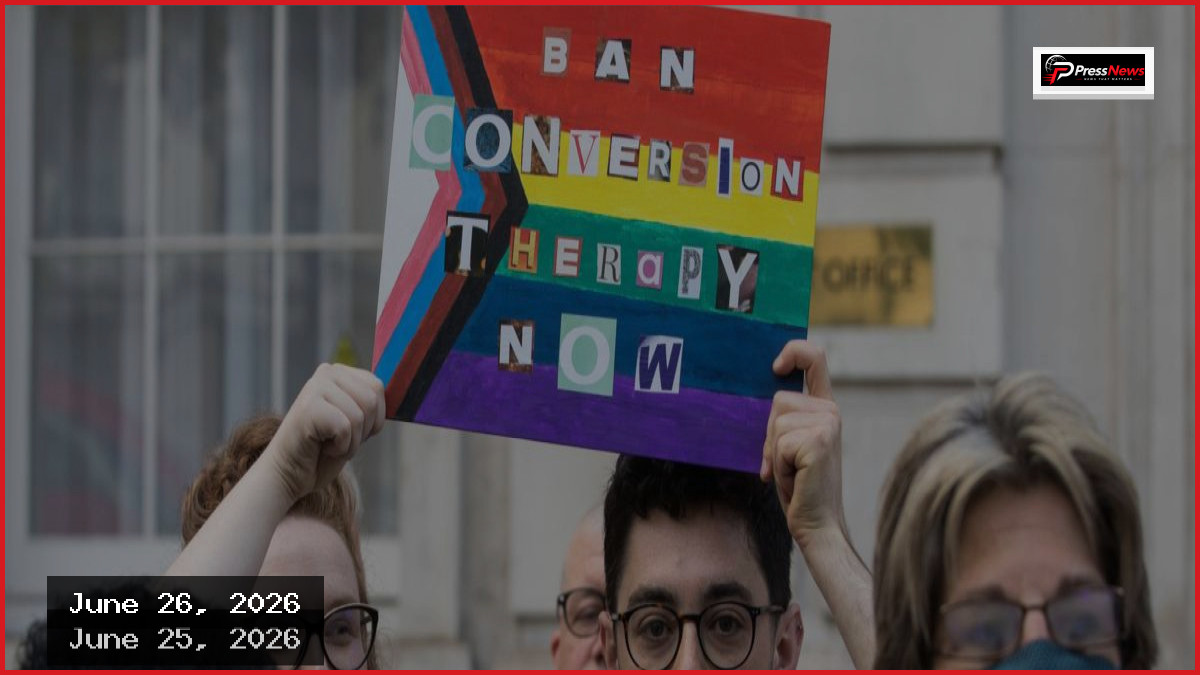
Individuals who conduct conversion practices—commonly referred to as “conversion therapy”—could face up to five years in prison under landmark government plans. The draft Conversion Practices Bill, which seeks to criminalize “abusive acts” intended to alter a person’s sexual orientation or transgender identity, is expected to be introduced to Parliament today. According to the Cabinet Office, the proposed legislation will ensure that LGBT+ individuals are protected from psychological and physical abuse aimed at forcing them to change their identity.
The government maintains that current domestic abuse and coercive control laws are inadequate for addressing the “unique nature of abusive conversion practices.” The bill will provide the first legal definition of these practices as conduct that aims to alter someone’s sexual orientation or transgender identity through abusive acts that result in serious harm. Minister for Equalities Olivia Bailey stated that such practices stem from the false belief that being LGBT+ is shameful and can be forcibly altered. She emphasized that existing legal loopholes have left the community vulnerable and necessitating legislative intervention.
The bill creates two new criminal offenses: one for performing conversion practices that result in serious distress, alarm, or harm, and another for encouraging or assisting in such practices to occur outside of England and Wales. Furthermore, the proposals introduce Conversion Practice Protection Orders, which are civil powers intended to pre-emptively protect those at risk. Convictions for conducting abusive conversion practices could result in an unlimited fine alongside a prison sentence of up to five years.
Determining the exact prevalence of conversion practices is challenging. In a 2018 UK-wide LGBT survey, about 5% of the 108,000 respondents reported being offered some form of conversion therapy, while 2% confirmed they had undergone it. However, the survey lacked specific definitions and timing details. More recently, the anti-LGBT abuse charity Galop reported identifying over 300 calls related to conversion practices between 2022 and 2025. In an analysis of 195 of those calls, researchers discovered reports of sexual and physical violence, forced marriages, and victims being taken abroad. The majority of these cases—132 in total—were ongoing or recent, and 123 were reported as being initiated by parents.
Galop further categorized the reported cases, noting 158 instances of coercive and controlling behavior, 52 cases of religion-based practices such as forced prayer or exorcisms, and 47 cases involving physical violence. Although a ban was first promised in 2018, the project suffered from various U-turns and the eventual resignation of the government’s LGBT+ Advisory Panel. Previous concerns centered on the risk of criminalizing professionals or parents during exploratory conversations about gender-related distress.
The government claims the current draft includes exemptions for legitimate healthcare and maintains a “high threshold” for criminality, ensuring only abusive acts are covered. Dr. Hilary Cass, who authored a major report on children’s gender identity services, expressed approval that the legislation provides a clearer definition of what does and does not constitute a conversion practice, allowing professionals to work without fear of litigation. However, the legislation remains controversial. Andrea Minichiello Williams, chief executive of the Christian Legal Centre, stated she will launch a legal challenge, arguing the law would restrict freedom of speech and prayer and have a “chilling impact” on religious leaders and therapists. In contrast, Baptist minister Justin Kennedy, who experienced suicidal ideation after “deliverance therapy” in his 20s, believes the ban is essential to prevent harm. The bill will now undergo pre-legislative scrutiny expected to last three months before moving through the House of Commons and the House of Lords.