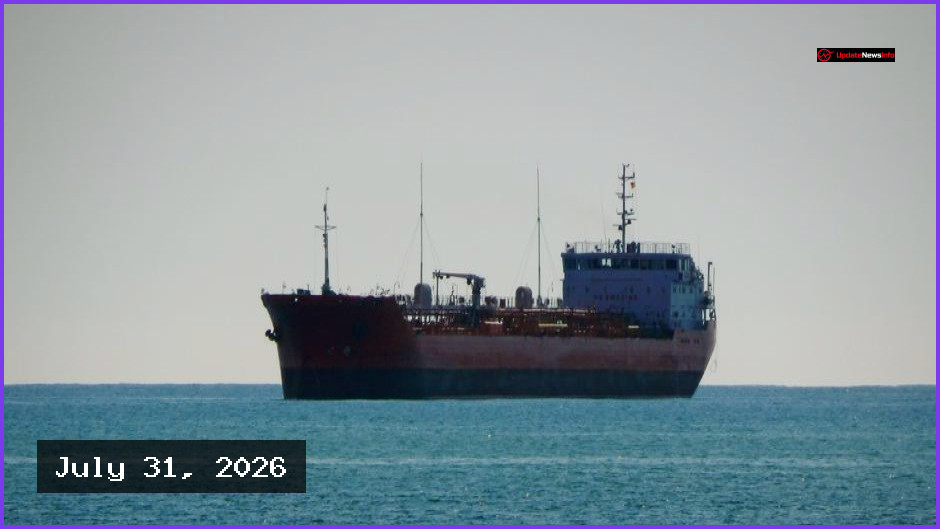
A recent drone attack by Ukrainian forces on an Iranian cargo vessel in the Caspian Sea has prompted diplomatic warnings from Tehran and sparked concerns that the ongoing conflict in Ukraine is expanding its geographical footprint. Kyiv maintains that the ship, identified as the "Anna," was transporting military equipment intended for Russia, while Iranian officials have denounced the strike as an act of aggression.
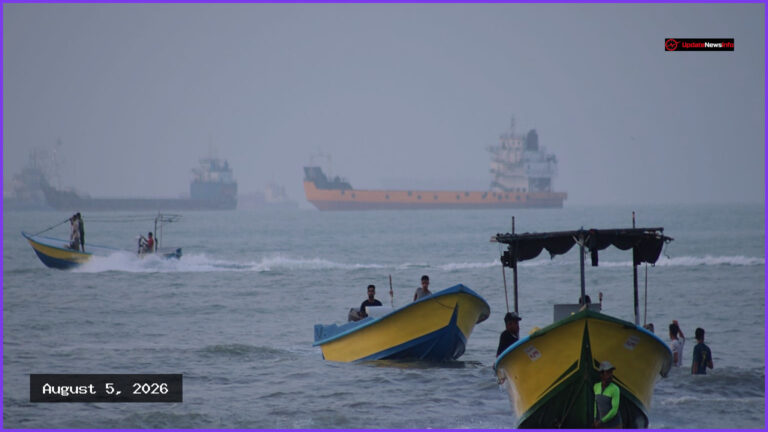
According to reports citing Kazem Jalali, Iran's ambassador to Russia, the vessel was anchored approximately 5 kilometers (3 miles) from the entrance of the Volga River when it was struck by drones, resulting in an explosion that killed one sailor. In response to the incident, Iran summoned Ukraine's charge d'affaires, and Foreign Minister Abbas Araghchi stated in a formal statement that the attack "cannot go unanswered."
While Tehran has previously acknowledged selling drones to Moscow, it has consistently rejected accusations that it supplied weapons specifically for the Ukraine war. However, the Ukrainian military continues to provide documented evidence of the deployment of Iranian-designed Shahed drones throughout the four-year conflict. Ukraine's Air Force reported that in March 2026, Russia launched nearly 950 Shahed, Gerber, and other types of attack drones at Ukraine in a 24-hour period.
Ukrainian President Volodymyr Zelenskyy noted that Ukrainian forces had successfully carried out long-range strikes against a Russian warship and vessels that Kyiv claims were transporting military cargo. Ukrainian Foreign Minister Andrii Sybiha initially dismissed Iranian accusations as "unjustified and groundless," labeling the Tehran regime a "direct accomplice" in Russia's aggression, noting that Iranian weapons have killed Ukrainians since 2022. However, in a subsequent conversation with Araghchi, Sybiha softened his tone, signaling that Ukraine wants to avoid unnecessary escalation with Iran.
Experts suggest that despite the heated rhetoric, a direct Iranian military retaliation against Ukraine remains unlikely. Ahmad Vakhshiteh, director of the Moscow-based Center for Strategic Research on Developing Relations with the Middle East, told DW that Tehran is unlikely to respond immediately with a direct military strike. He believes the Islamic Republic will avoid an emotional reaction and instead pursue diplomatic channels, such as the UN Security Council. Ukrainian Middle East expert Ihor Semyvolos also considers the likelihood of an Iranian retaliatory attack to be very low, though he warned that an Iranian missile attack on Ukrainian territory would be a "direct act of war" that would only complicate the situation for Tehran.
Austrian military analyst Markus Reisner, head of research at the Theresian Military Academy, emphasized that the Caspian Sea strike does not signify that Ukraine has entered a new war against Iran. Instead, he argued, the operation is part of a broader strategy to disrupt military logistics supporting Moscow. Since May, Ukraine has significantly increased strikes on maritime facilities in the Black Sea and the Sea of Azov, hitting approximately 200 Russian vessels, tankers, and tugboats. Reisner noted that it would make little sense for Iran to launch a missile at a target on Ukrainian territory when it has other priorities. Semyvolos agreed that it is logical for Ukraine to expand its strategy to control sea lanes and attempt to impose a general economic naval blockade against Russia in the south.
Regarding the potential for future operations, analysts suggest that Ukraine is utilizing its growing technical capacity for long-range strikes to target supply routes. While there is no public evidence of direct US coordination for the Caspian operation, Semyvolos noted that it is "obvious" that Ukraine uses American intelligence data, implying the US was likely aware of the operation. As Kyiv continues to demonstrate tactical momentum, including recent long-range drone strikes deep inside Russian territory, the prospect of further targeting of Iranian vessels remains a strategic risk. Vakhshiteh warned that while Iran might avoid a direct military strike on Ukraine to prevent opening a new front, it could explore indirect measures, such as targeting shipping interests connected to Ukraine, though there is no indication that Tehran has decided to pursue such options.