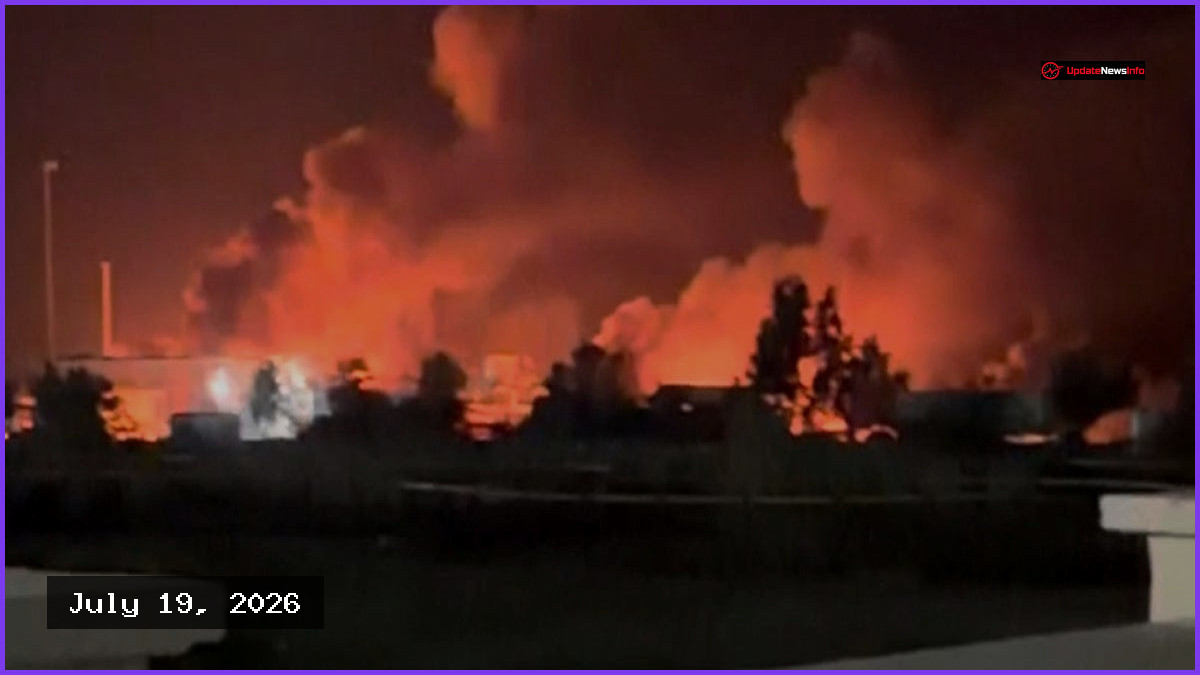
The United States military initiated a new series of airstrikes against Iran on July 18, further intensifying an expanding military campaign across the Middle East. This operation follows a lethal attack in Jordan that resulted in the deaths of two American service members.
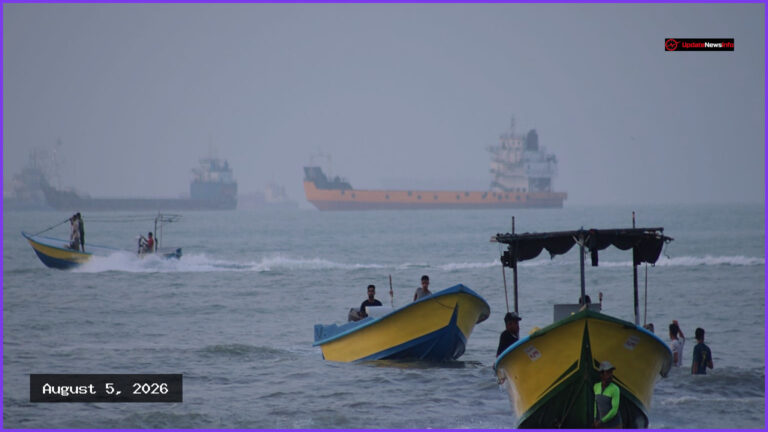
U.S. Central Command (CENTCOM) confirmed in a post on X that the strikes commenced at 6 p.m. ET on July 18, executed under the direction of the Commander in Chief. The military stated that the primary objective is to degrade Iran's capacity to threaten commercial shipping lanes through the Strait of Hormuz and to deliver a swift response to Islamic Revolutionary Guard Corps forces responsible for the previous night's attack on U.S. personnel in Jordan.
The incident in Jordan, which occurred on July 17, involved Iranian ballistic missiles and drones targeting U.S. and partner forces. In addition to the two fatalities, one service member remains missing. Four other U.S. personnel were medically evacuated to hospitals in Jordan; however, the military noted they have since been discharged. Others who sustained minor injuries have already returned to duty. CENTCOM is currently withholding the names of the deceased and missing personnel until at least 24 hours after their respective families have been notified.
Pentagon chief Pete Hegseth addressed the tragedy on X on July 18, stating, "Godspeed, heroes. Their sacrifice only stiffens our resolve." Meanwhile, Iran's supreme leader warned that Washington would face consequences for its attempts to escalate the regional conflict.
The broader military campaign, as described by CENTCOM commander Adm. Brad Cooper, is intended to protect civilian sailors and ensure accountability for Iranian attacks that have caused casualties and left crew members missing. Previous strikes have focused on weakening Iran's military capabilities.
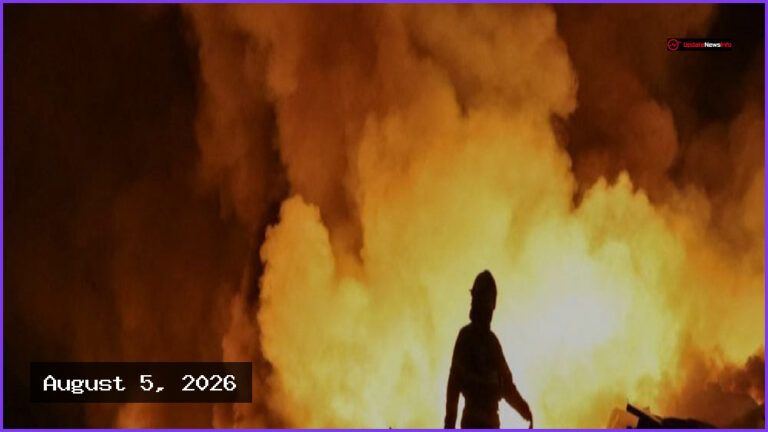
The conflict has also extended to Kuwait, where Iranian ballistic missiles and drones targeted military-linked facilities and critical infrastructure. While Kuwaiti air defenses intercepted several threats, some facilities sustained damage, and firefighters and oil sector workers were injured during the response. The Islamic Revolutionary Guard Corps claimed these strikes targeted U.S. military support sites in retaliation for American operations, further warning of potential future attacks against U.S. allies.
President Donald Trump has maintained support for the expanded campaign, asserting that U.S. strikes will persist until Iran meets conditions regarding regional security and freedom of navigation. Iranian leadership has pledged to resist this military pressure, indicating that the regional conflict is unlikely to subside in the near term.