Under the terms of the upcoming Immigration and Asylum Bill, individuals granted asylum in the UK will be required to reimburse approximately £10,000 toward their previous accommodation and support costs once they secure employment. The legislation, which is scheduled for presentation to Parliament on Tuesday, mandates that adults with sufficient funds must pay back the sum over time.
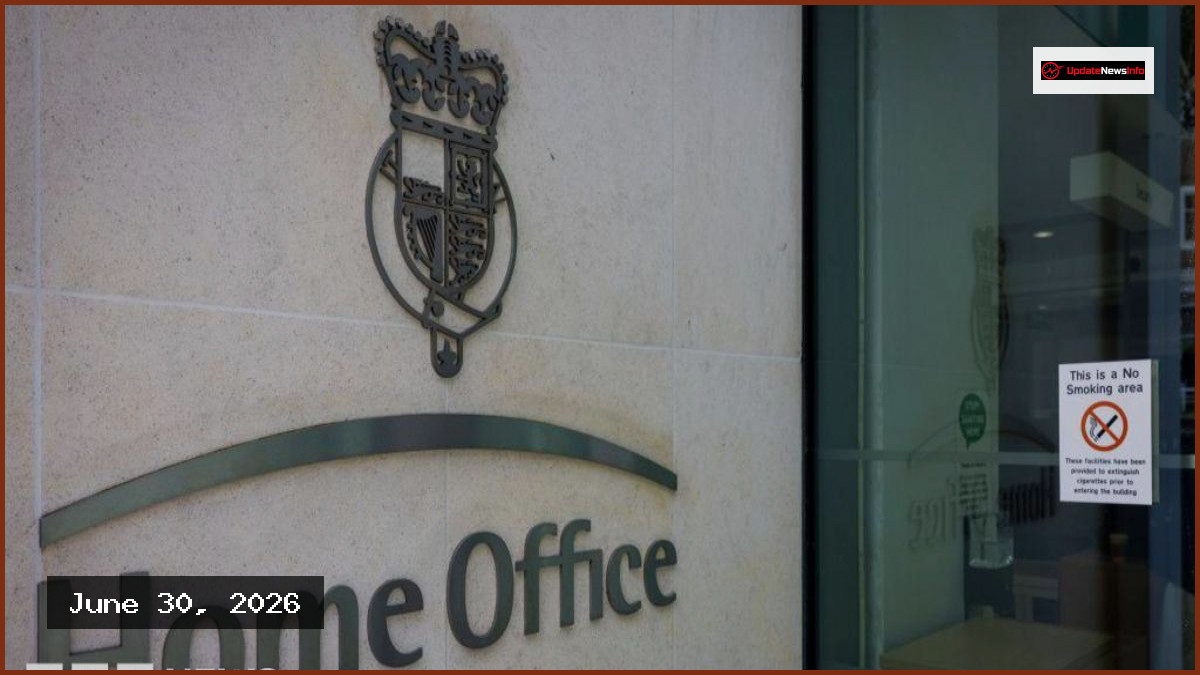
This requirement applies to those with the right to work in the UK and must be settled before they can be considered for permanent residency. Home Secretary Shabana Mahmood stated that these changes are intended to highlight that asylum support is a right accompanied by a responsibility. She noted the government’s expectation that individuals will contribute back once they are in a position to do so.
The policy mandates a flat-rate repayment, though the Home Office has yet to finalize the specific earnings threshold that would trigger monthly installments. The Home Secretary will retain the authority to adjust both the charge and the repayment thresholds to ensure the system remains fair to taxpayers without causing migrant destitution. Individuals whose asylum claims are ultimately rejected will also face this repayment requirement if their income reaches the government-mandated threshold.
Last year, the Home Office reported spending approximately £4bn on asylum support. Costs for individual support include subsistence payments ranging from £9.95 to £49.18 per week, while accommodation costs can reach £23.25 per night for public housing or £144 for hotel placements.
Critics, including the Refugee Council, have labeled the proposal an unfair, impractical extra tax that will hinder families from rebuilding their lives. External affairs director Imran Hussain argued that the policy unfairly penalizes those who often arrive with nothing, especially given that the Home Office frequently prohibits asylum seekers from working while their claims are pending. Experts at the University of Oxford’s Migration Observatory have also questioned the efficacy of the plan, noting that many refugees struggle to secure high-paying roles quickly, making the potential for recouping significant funds limited based on current earnings data.
Shadow home secretary Chris Philp indicated that the Labour government has adopted this policy from previous Conservative proposals. Meanwhile, the government continues its efforts to reduce reliance on hotels for housing, aiming to clear its asylum backlog and limit the use of such facilities by 2029.