All 27 European Union member states share a consensus that Europe requires new strategies to cope with the mounting economic influence of China. However, this apparent unity evaporates quickly when the conversation shifts to implementing concrete and significant measures. The question remains: how can the bloc effectively push back against the Chinese economic giant?
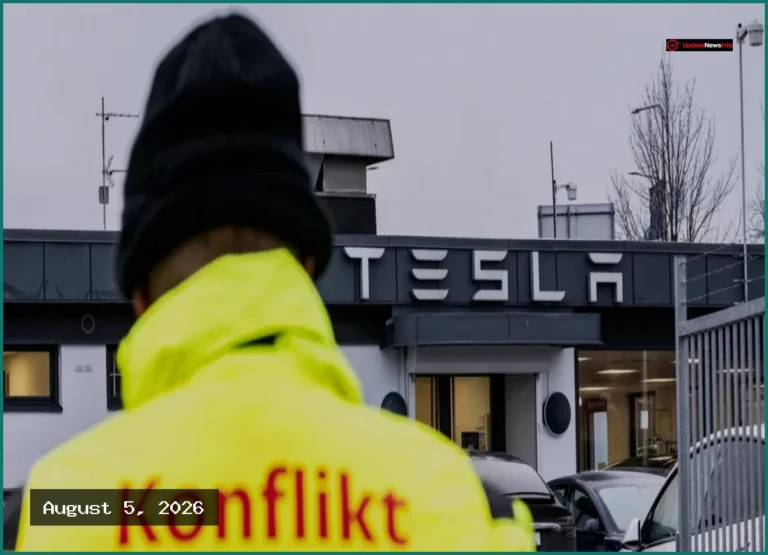
Economic instability is a growing concern, highlighted by rumors that Volkswagen in Germany could face a massive restructuring. Reports suggest that closing four factories could threaten 45,000 jobs, while the company had already planned to cut 50,000 positions by 2030. Amidst declining sales and lost market share in the U.S. and China, the automotive giant is struggling. Despite the EU imposing tariffs of up to 35 percent on Chinese battery electric vehicles in late 2024 to protect local industry, the presence of Chinese cars continues to expand. Sales of Chinese electric vehicles have risen by five percent across the bloc, with one in ten electric cars now originating from China. For hybrid vehicles, which remain outside the scope of EU tariffs, Chinese manufacturers hold nearly a quarter of the European market.
This trend extends across multiple sectors, further widening the EU’s trade deficit with China. Against this backdrop, Chinese Commerce Minister Wang Wentao met with European Trade Commissioner Maroš Šefčovič in Brussels. Despite their history of meetings, the two sides maintained fundamentally opposed positions. While the EU pushes for open markets and reduced industrial overcapacity, Beijing has shown no willingness to concede, leading to what some describe as a dialogue of the deaf. New platforms for trade and investment consultation have done little to bridge the gap between their disparate interests.
Even with Maroš Šefčovič leading negotiations, securing meaningful concessions from Beijing has proven nearly impossible. Consequently, the European Commission is exploring a new package of defensive measures, including potential tariffs on sectors like chemicals and machinery, requirements for supply chain diversification, and a preference for EU suppliers in public procurement. Yet, these measures require approval from member states, many of which fear the economic fallout of a confrontational approach. Governments are acutely aware that China could retaliate by restricting the export of essential raw materials or semiconductors, leaving the EU in a delicate and difficult balancing act to protect its economy without severing essential ties.