Artificial intelligence stood at the center of discussions at this year’s Cannes Lions festival, highlighting a complicated reality for the global marketing sector. While AI integration has become widespread, fresh research from McKinsey & Company suggests that organizations are not yet fully prepared to harness its potential. The firm’s latest report, titled From anxiety to advantage: A marketing organisation that thrives with AI, which draws on insights from over 500 marketers and various senior leaders, points to a notable disconnect: high levels of AI usage have not yet translated into significant business value.
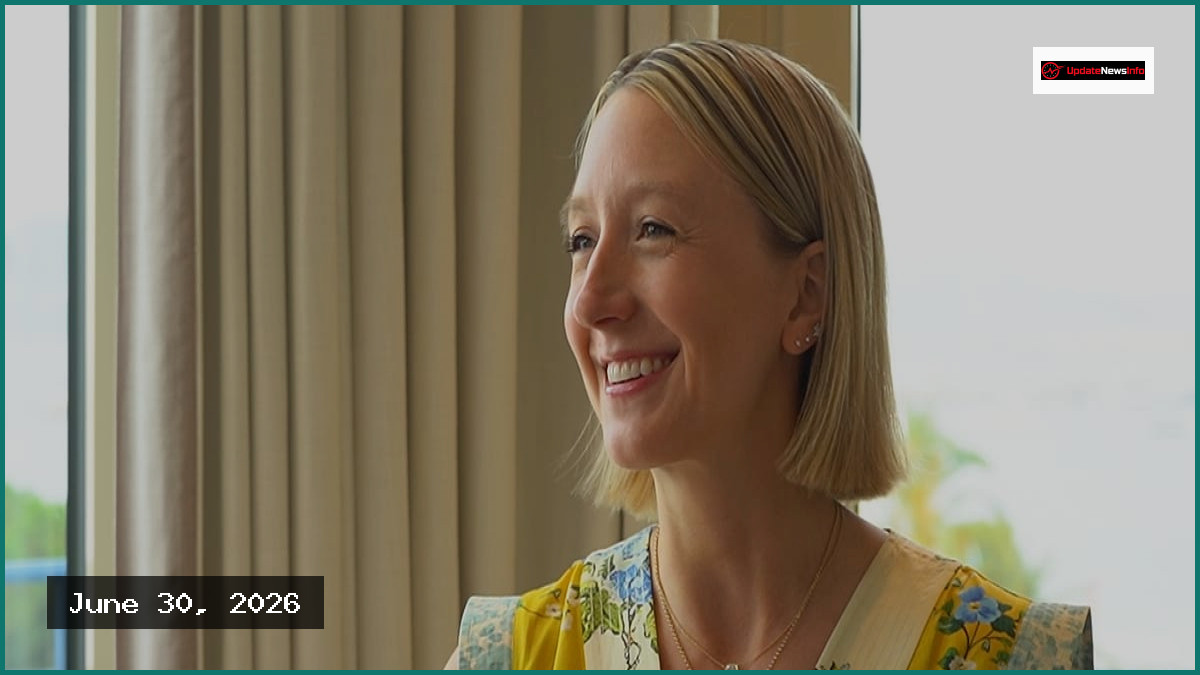
McKinsey Senior Partner Kelsey Robinson, speaking at Cannes Lions, noted that while 88% of companies are experimenting with AI and over 60% of marketers report using it multiple times weekly, less than 10% of these organizations have truly captured real value. Beyond this efficiency gap, a sense of deep-seated anxiety permeates the workforce. According to the research, 86% of marketing employees express excitement about AI, yet 57% report feeling anxious about their job security. This tension is even more pronounced among leadership, with 71% of CMOs reporting anxiety and 80% expressing concerns about their own roles.
Robinson emphasizes that the fear is widespread across various marketing functions, from creative roles like copywriting to analytical positions. She suggests that companies must move past a narrative focused solely on cost-cutting and efficiency. Instead, successful organizations are prioritizing growth as a primary aspiration for AI integration. Leading firms are also moving forward without waiting for perfectly curated data, adopting a phased approach to implementation that balances workflow improvements with long-term foundational work.
Highlighting the fintech firm Chime as a model for success, Robinson describes a three-stage transformation process: normalizing AI tools in daily routines, redesigning specific high-value workflows like media optimization, and eventually reimagining entire business processes. She concludes that failing to adapt to this shift is not a viable strategy. Instead of fearing replacement, she advises that the focus should be on personal development, noting the widely held sentiment that while AI might not replace a marketer, an individual proficient in using these tools likely will.