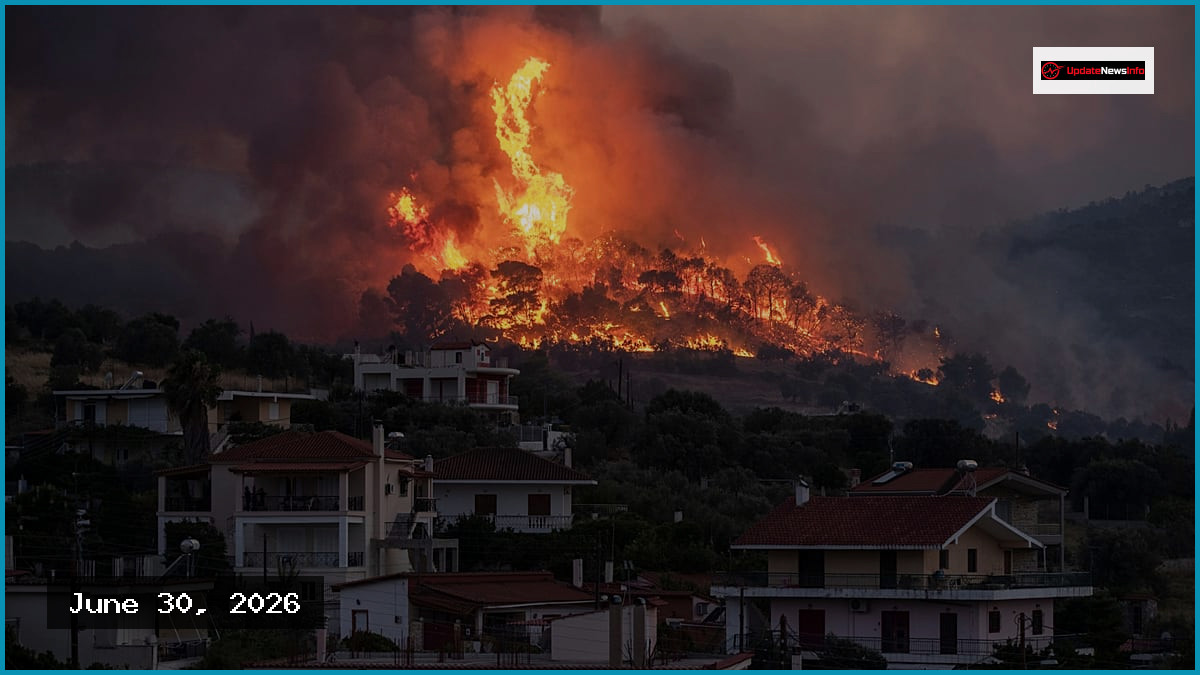
As Greece prepares for another demanding wildfire season, the nation is rolling out a sophisticated new defense system launched from space. A fleet of small satellites, each comparable in size to a household oven, is now monitoring the landscape for initial fire signatures. This initiative represents a pioneering effort to protect communities and save lives while bolstering Europe’s technological independence.
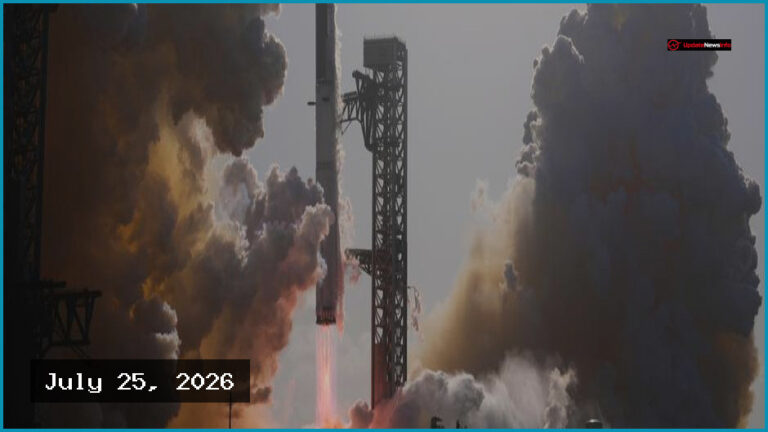
In May, four nanosatellites developed by OroraTech were positioned in low Earth orbit. With this deployment, Greece holds the distinction of being the first country worldwide to implement a satellite constellation specifically for firefighting purposes. These devices are equipped with thermal sensors capable of identifying fire outbreaks as small as four square meters, a significant improvement over traditional satellites that are typically limited to detecting fires the size of a cruise ship.
OroraTech CEO Ioannis Landouris explained that the system scans specific areas and transmits images to artificial intelligence models. These models analyze the data with extreme precision to determine the presence of a fire. Once verified, the information is relayed directly to the fire department or relevant authorities. When a blaze occurs, incident commanders receive immediate alerts containing the location, scale, and intensity of the fire, providing crucial real-time data for resource management.
The platform also allows responders to use tablets in the field to visualize fire behavior. By running simulations, crews can forecast how a fire might spread and identify the best strategies for containment. Greece’s Minister of Digital Governance, Dimitris Papastergiou, noted that while urban fires are often reported by residents, satellite thermal cameras are essential for spotting fire outbreaks in remote national parks or wilderness areas much earlier.
While thermal sensors may occasionally pick up heat from solar panels, factory rooftops, or sun-warmed rocks, the integrated AI models are specifically tuned to filter out these false alarms. According to Fire Brigade Commander Zisoula Dasiou, the constellation ensures hourly updates, eliminating coverage gaps. This consistent data flow is vital for both early detection and the predictive models used to track fire progression. The total project, funded by the European Union, carries a cost of €200 million and is scheduled for full completion by the end of the year.