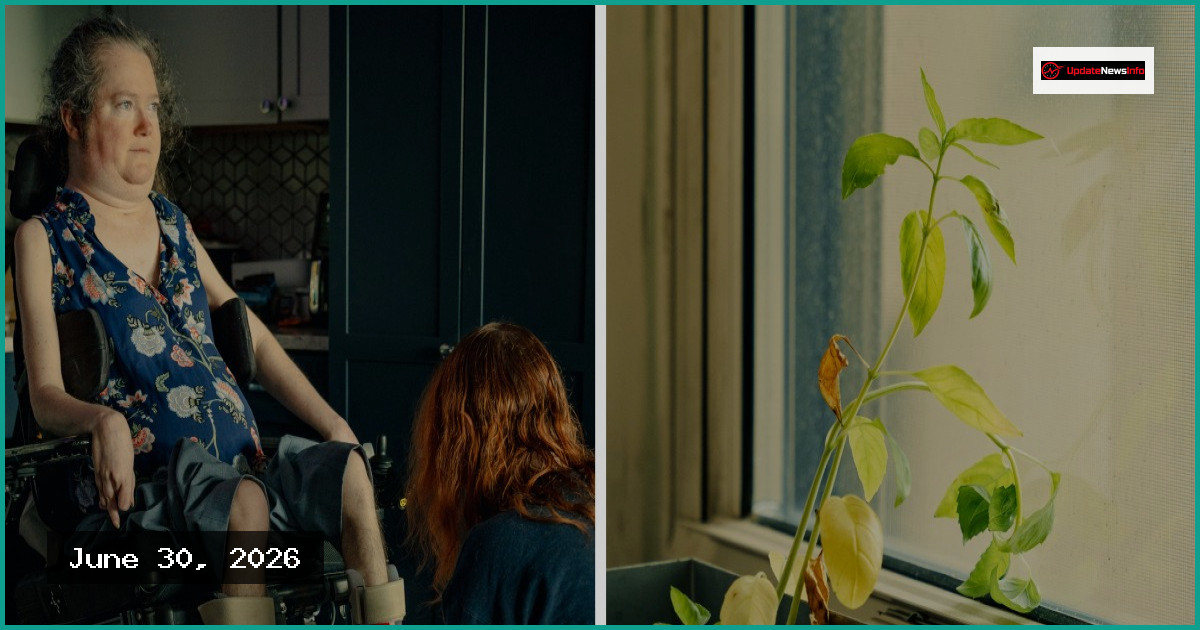
Rebecca Anger has worked for years to build a fulfilling life in Chicago, featuring a meaningful legal career, a home, and a supportive marriage. At 41, she maintains this independence despite having been paralyzed from the neck down since she was seven years old. Her daily ability to live at home rather than in an institution relies entirely on Medicaid, which covers the costs of the professional caregivers who assist her with essential tasks like bathing, dressing, and feeding.
However, recent federal policy shifts have cast a shadow over her future. The Medicaid funding reductions included in President Donald Trump’s recent healthcare legislation are projected to slash nearly $1 trillion from federal spending over the next decade. While these cuts do not explicitly target home-care services, experts fear that states—faced with reduced federal support—may view these optional programs as prime targets for elimination. Additionally, a recent Justice Department memo has signaled a retreat from the longstanding interpretation of the Supreme Court’s 1999 Olmstead decision, which previously protected the rights of disabled people to receive care within their own communities.
The impact of this uncertainty is already being felt across the country. In Maryland, a seminary student with cerebral palsy is facing budget cuts that threaten her ability to pay for care, while in Colorado, increased wait times for residential-care programs have left individuals without a safety net. In Ohio, efforts to crack down on alleged Medicaid fraud have sparked fears that those with legitimate, life-sustaining needs will be caught in the process. For many, including Rebecca, these developments feel like a direct threat to the promise of independence that disability rights advocates have fought for over decades.
Rebecca’s own journey began in 1992 after a rare condition called transverse myelitis left her paralyzed. Despite a difficult prognosis, her parents pushed for her to live an active, integrated life. This determination helped her pursue higher education and eventually a career in law. Today, she navigates the complexities of the Medicaid system, which often restricts how much she can save or earn, essentially keeping her within a tight financial threshold to remain eligible for the care she needs. As she monitors the legislative landscape, she remains deeply worried, noting that her existence depends entirely on government choices and the availability of workers who can be trusted with her life-sustaining care. For Rebecca, the prospect of losing this support isn’t just a political issue; it is a fundamental threat to her ability to survive and thrive outside of an institutional setting.