During an energy council meeting held in Luxembourg on Friday, 26 June, a coalition of 12 member states—led by the Czech Republic and including Belgium, Italy, Poland, and the Netherlands—urged the European Commission to postpone the implementation of the bloc’s methane import rules for three years. Specifically, these nations are targeting a delay for article 28.
Scheduled to take effect in 2027, this regulation mandates that oil, gas, and coal entities prove that imports linked to contracts signed after August 2024 adhere to EU-equivalent standards, or else face potential penalties. For older contracts, importers must only demonstrate that they have made all reasonable efforts to meet these standards, with sanctions applied only for persistent failure to report these efforts. Despite this flexibility, member states expressed concerns in a pre-meeting letter that the lack of finalized monitoring and reporting methodologies creates significant legal uncertainty, which could cause producers to reduce deliveries or shift supplies toward more permissive markets.
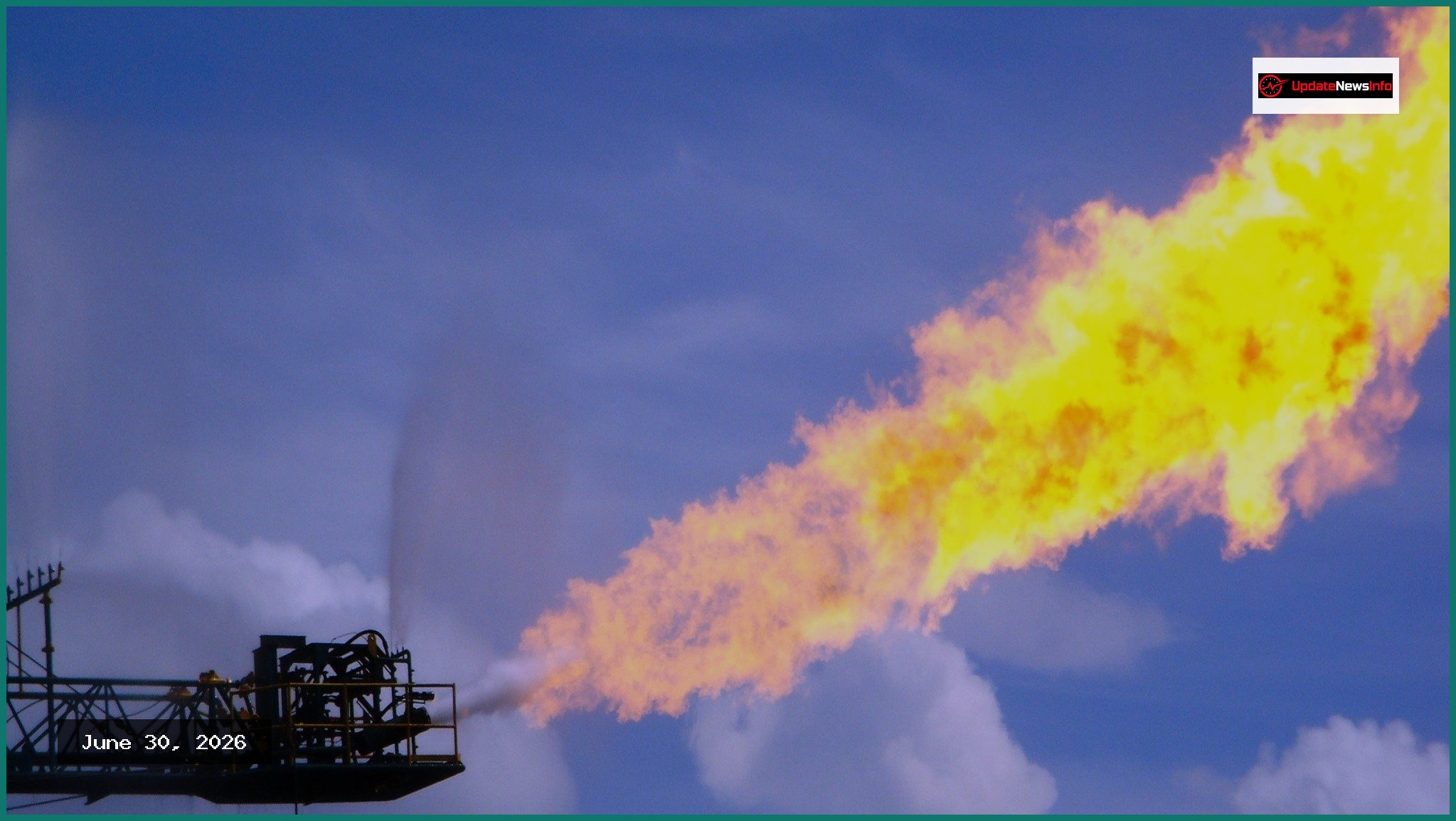
Suspending the rules, the states argue, would grant the Commission time to refine verification protocols through delegated acts. Addressing the core environmental concern, liquid gas shipments can significantly contribute to emissions due to methane leakage during transport. A 2024 Cornell study noted that, due to methane’s potency—being 84 times more effective at trapping heat than carbon dioxide over a 20-year span—the lifecycle emissions of liquified gas can be 33 percent higher than coal.
EU energy commissioner Dan Jørgensen stated he remains firm against reopening the legislation but promised to incorporate implementation concerns into upcoming analyses and provide further recommendations shortly. While the Commission has considered a three-year waiver on penalties, member states contend this non-binding measure fails to resolve the legal risks for companies negotiating long-term contracts. The legal debate is further complicated by the fact that the Commission has yet to establish which non-EU countries meet equivalency standards or complete the framework for accrediting independent verifiers.
Energy lawyers representing clients such as Shell, RWE, and Eurogas have warned that these incomplete elements jeopardize contract negotiations. Conversely, data suggests the market remains active, with companies like Venture Global signing a 20-year deal with Eni in July 2025, alongside other long-term agreements across Europe. The Clean Air Task Force recently cited these ongoing deals as evidence that fears of a market freeze due to legal uncertainty may be overstated, though the argument continues to gain traction among EU member states.