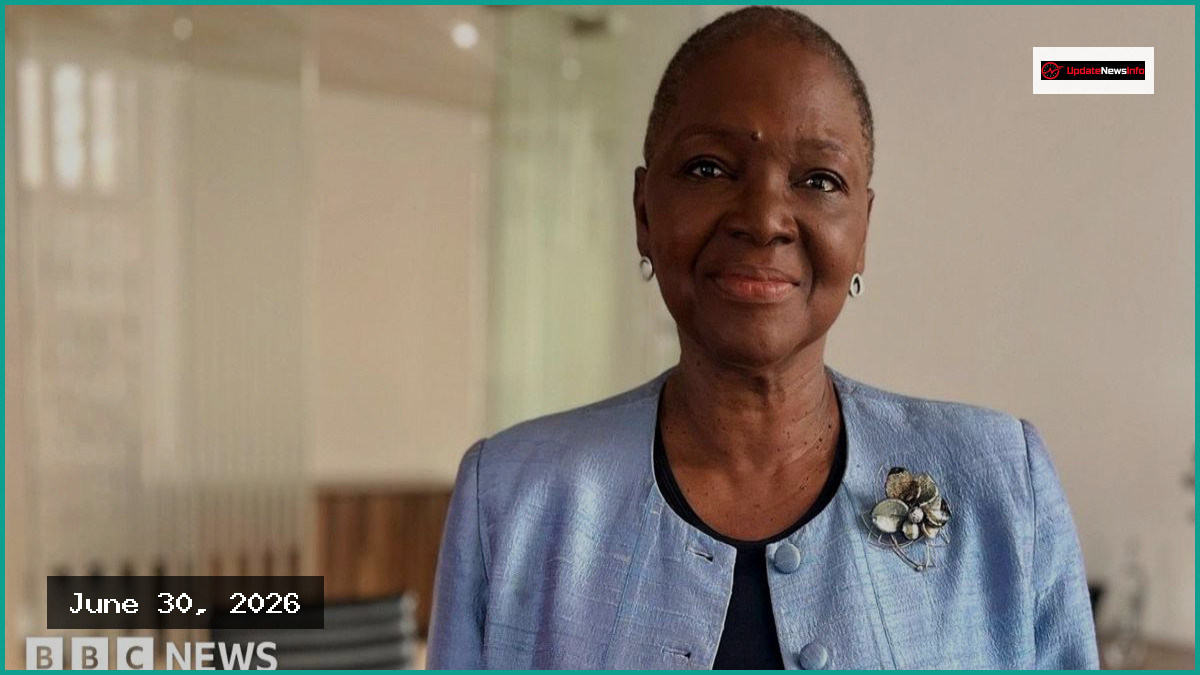
The UK government has committed to moving quickly to appoint a new maternity commissioner for England after a damning report concluded that the current system is not equipped to deliver high-quality or compassionate care. A rapid review led by Baroness Valerie Amos has called for urgent shifts in how patients are treated, highlighting that far too many women feel they are not being listened to, heard, or believed.
However, the report’s primary recommendation—the establishment of a maternity commissioner to oversee necessary improvements—has been met with strong criticism from some families. Emily Barler, whose daughter Beatrice died at Barnsley hospital in 2022, told the BBC that the proposal was fundamentally dangerous and concentrated excessive power in the hands of a single individual. Other advocacy groups also reacted with disappointment. The Birth Trauma Association described the report as a huge missed opportunity, with Chief Executive Dr. Kim Thomas arguing that the views of staff were prioritized over the lived experiences of patients. Dr. Thomas specifically noted that the report failed to address injuries resulting from forceps deliveries and the profound impact of post-traumatic stress on women and their partners.
Health Secretary James Murray stated that his team would move as quickly as possible, though he was unable to provide a firm timeline for the appointment of the new role. Meanwhile, maternity investigator Donna Ockenden, who recently led an inquiry into failings in Nottingham and was considered a potential candidate for the position, suggested she might not accept the job if offered. She expressed concern that maternity services have not shown improvement over the last two years and questioned whether one person could realistically fix the system. Dr. Bill Kirkup, a safety expert who led investigations into services in Morecambe Bay and East Kent, resigned from his role as a clinical adviser to the review, reportedly over disagreements regarding the findings on the national prevalence of policies restricting caesarean sections.
Baroness Amos’s review was commissioned after a series of scandals undermined public trust in the NHS. Her team gathered evidence from more than 450 families and conducted visits to 12 NHS hospitals to identify necessary reforms. The investigation identified the system as fragmented, overly complex, and slow to improve, with a critical lack of consistent standards. Among her eight recommendations, Baroness Amos urged an immediate overhaul of maternity triage services, suggesting that dedicated midwives should answer calls and provide timely, face-to-face advice. She also emphasized that racism and discrimination must be treated as critical safety issues. Despite calls from some families for a statutory public inquiry that would compel hospital leaders to provide evidence, Baroness Amos expressed she did not support the move, arguing such inquiries take a very long time.
Rhiannon Davies, a parent who campaigned for a review into failings at Shrewsbury and Telford following the 2009 death of her daughter Kate, broadly welcomed the findings, noting the report’s strength in reframing the act of listening as a patient safety issue. Conversely, Helen Gittos, whose daughter Harriet died under the care of the East Kent NHS Trust in 2014, expressed mixed feelings. While she believes the recommendations could make a difference, she was dismayed by the report’s depiction of the East Kent trust, which she found to be overly positive. The Maternity Safety Alliance also rejected the commissioner proposal, labeling it an attempt to create headlines rather than meaningful change. The Department of Health and Social Care has promised to publish a national action plan in December, supported by a £41m investment aimed at improving safety in maternity and neonatal care.