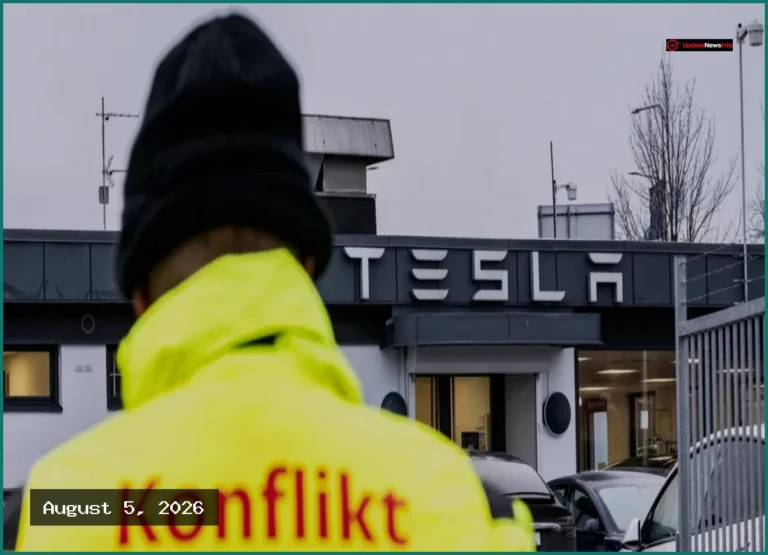
Elon Musk, who recently reached trillionaire status largely due to the stock market performance of SpaceX, has seen his Tesla operations benefit significantly from German state support. According to internal documents obtained by EUobserver, Germany funneled €860 million in subsidies to Tesla buyers, a strategy that helped the federal government meet green targets tied to EU post-pandemic recovery funding. Furthermore, Tesla’s gigafactory in Berlin is currently receiving over €71 million in state aid.
The investigation highlights a complex relationship between the EU and the Tesla CEO, who has publicly declared the European Union a civilizational threat and expressed support for the neo-fascist Alternative for Germany (AfD) party. Following a €120 million fine imposed on his social media platform X for violating digital rules, Musk famously compared EU institutions to the “Fourth Reich” and suggested the bloc should be abolished, stating on December 6, 2025, that sovereignty should be returned to individual countries. Meanwhile, the US-based Centre for Countering Digital Hate has accused his platform of acting as a springboard for conspiracy theories and hate speech, including allegations that Musk helped fuel violence in Belfast.
Tesla’s stance on subsidies has appeared contradictory. In 2021, the company turned down €1.14 billion in federal and Brandenburg state aid intended for a battery-cell facility near Grünheide, some 30km from Berlin, citing a belief that all subsidies—including those for oil and gas—should be eliminated. At the time, the funding came with “first industrial deployment” restrictions that Tesla found unfavorable compared to US production-based tax credits. Despite this, the company has since accepted German taxpayer money for its Gigafactory as it continues to produce Model Y vehicles.
Following his “Fourth Reich” comments, the German state of Brandenburg proceeded with the first of three €24 million installments for the Grünheide battery plant. This funding was authorized after the European Commission approved a framework designed to address the crisis and transformation efforts related to the war in Ukraine. These state-backed financial injections have played a role in both supporting the facility and driving sales surges for Tesla vehicles in the region.
However, the funds came with “first industrial deployment” restrictions, forcing Tesla to turn it down, while the US offered large, production-based tax credits with fewer strings attached.