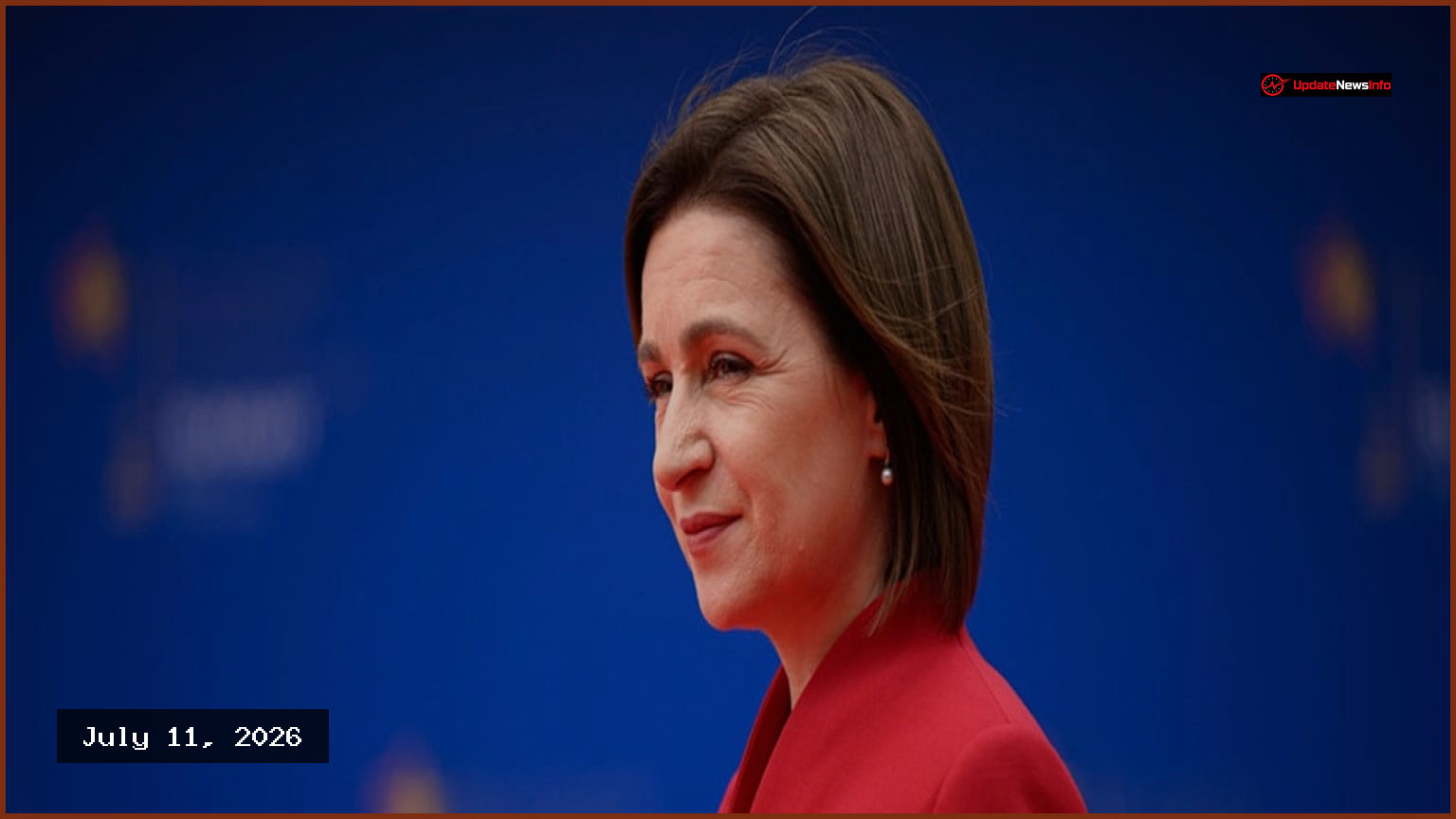
Moldova’s President Maia Sandu has officially nominated businessman Vasile Tofan to serve as the nation’s next prime minister. The announcement, made on Saturday, comes following the resignation of Alexandru Munteanu earlier this month. Munteanu stepped down after less than eight months in office, citing an inability to govern according to his personal convictions and principles due to friction with the ruling majority.
In a social media video addressing the appointment, President Sandu outlined the key priorities for the incoming premier. Once his candidacy receives parliamentary approval, Tofan is expected to focus on advancing Moldova’s path toward European Union integration. Furthermore, he has been tasked with strengthening the resilience of the country’s state institutions and revitalizing the national economy.
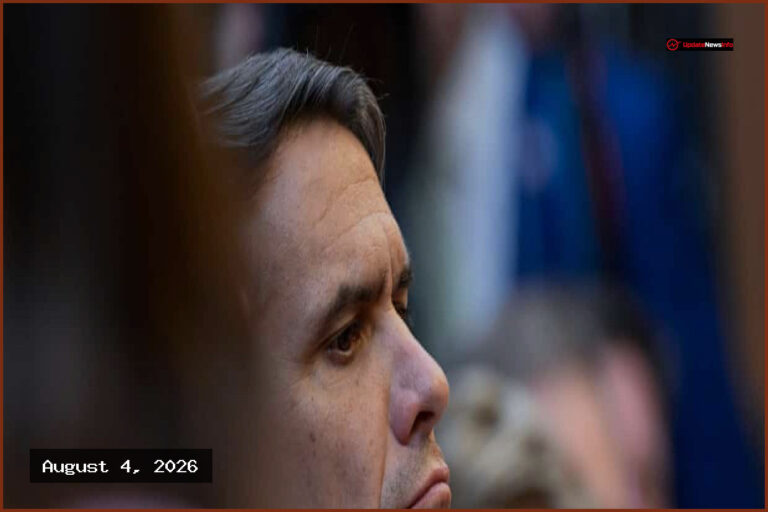
Tofan, who is set to turn 44 on Sunday, brings a background in private equity to the role. He is a managing partner at Horizon Capital, a firm with significant assets in Moldova and Ukraine, and has previously chaired the board of directors for the Purcari winery. Educated at Harvard Business School and holding a degree in public management from the Netherlands, Tofan had been considered for the premiership previously.
Igor Grosu, leader of the Action and Solidarity Party (PAS), confirmed on Friday that he had selected Tofan as the candidate, noting that they share core objectives regarding institutional reform and economic growth. The Moldovan businessman now has two weeks to secure parliamentary backing, a prospect he hopes to achieve after submitting his government programme and his ministerial cabinet nominations.
The leadership transition occurs as Moldova continues its pursuit of EU membership. The country, which achieved official candidate status on 23 June 2022, saw the launch of its first round of accession negotiations with the European Union last month.
He resigned on 3 July after less than eight months, stating that he could no longer carry out his mandate "according to (his) principles and (his) convictions".