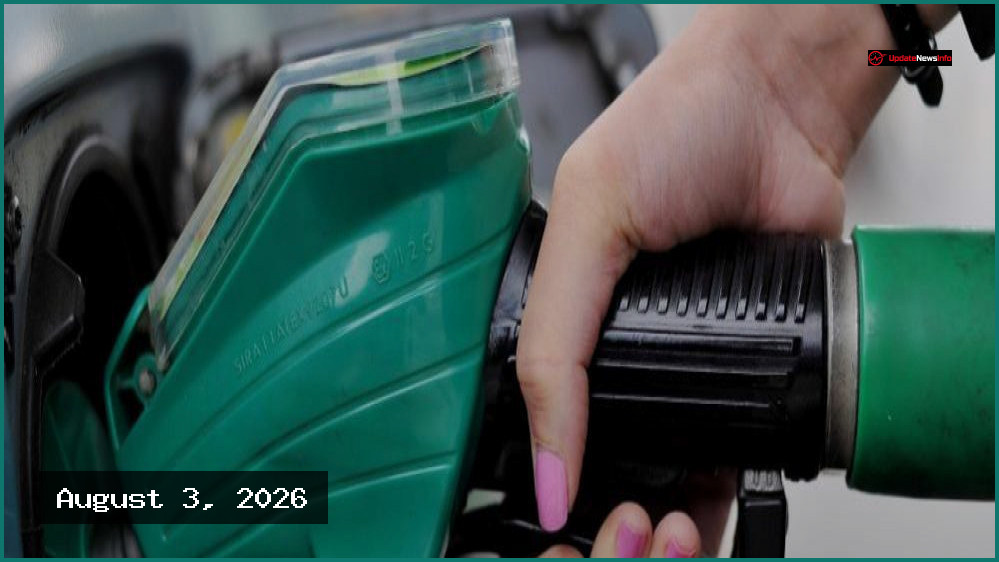
Drivers in the UK have stolen nearly £200,000 worth of fuel from petrol stations on an average daily basis since the onset of the conflict involving Iran. Industry analysis from Forecourt Eye indicates that incidents of fuel being taken without payment have climbed by one-fifth in the five months following 28 February.
The ongoing conflict in the Middle East has caused significant disruption to oil supplies across the region, resulting in a surge in wholesale prices and subsequent cost increases at UK fuel pumps. According to the data, the value of stolen fuel has increased by 48% compared to the five-month period preceding the war, reaching an estimated daily average of £194,000.
Petrol stations have also reported a rise in instances of abuse, intimidation, and violence directed toward staff by frustrated customers.
These figures are derived from a representative sample of 550 forecourts, which were then extrapolated to account for the UK's 8,359 total sites. The data shows that the number of daily incidents averaged 2,872 in the months after the war began, an increase from approximately 2,400.
These incidents encompass both motorists driving off without attempting to pay and individuals claiming they lack the means to settle their bills after refueling.
Consequently, the volume of stolen fuel has risen by 24%, climbing from an estimated 87,000 litres to 108,900 litres per day.
Last week, petrol prices reached their highest level since the start of the Middle East conflict, marking the highest point since 2022. Similar trends in theft were also observed following the outbreak of the Russia-Ukraine war in early 2022.
In response to the economic climate, Chancellor John Healey recently vowed that the government would take action regarding any price gouging linked to the Iran conflict.
While the Chancellor noted there was no significant evidence of such practices, he stated that he would be watching closely to ensure the public is not being taken for a ride at the pump or the till.
The Competition and Markets Authority reported in May that there was no widespread evidence of price gouging in the weeks following the conflict, though it is currently investigating why fuel margins increased between February and March for two supermarkets and three non-supermarket retailers.
The British Retail Consortium argued that competition between supermarkets remains the primary driver of lower prices, rather than government intervention.
The organization attributed rising costs to higher National Insurance contributions, increased packaging taxes, and a failure to reform outdated business rates. Andrew Opie, the BRC's director of food and sustainability, stated that retailers are continuing to do everything possible to provide value for customers.
Earlier this year former Prime Minister Sir Keir Starmer and some of his ministers said the government would step in if customers were being ripped off by fuel retailers.
The PRA was approached for comment regarding Healey's remarks.