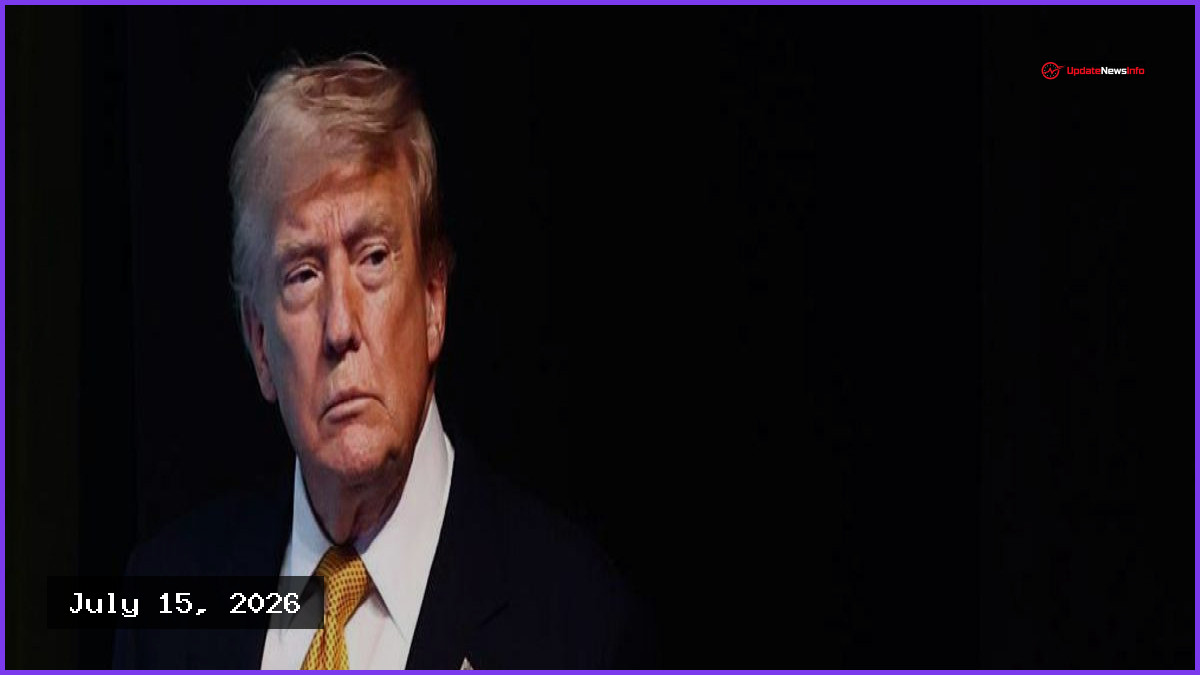
The fragile hopes for an end to the Iran War were officially extinguished at 10:16 ET (16:16 BST) on Tuesday, when President Trump announced on Truth Social that the United States would resume its naval blockade of Iranian shipping. This declaration, which followed a flurry of new American military strikes on targets across Iran, effectively abandoned the memorandum of understanding (MOU) that had been intended to de-escalate the conflict. The announcement marked a definitive end to the ceasefire, with the President labeling Iranian leaders as "scum" in his post.
In a social media post on Monday morning, Trump had initially announced the resumption of the blockade, adding a controversial requirement that all vessels transiting the Strait of Hormuz—including those of U.S. allies—must pay a 20% fee. He justified this levy as a means to reimburse the United States for the costs necessary to provide safety and security in this volatile section of the world. This proposal was not entirely new, as he had suggested similar arrangements throughout the war, potentially as a way to make the military commitment more palatable to the American public. However, the proposal faced immediate scrutiny, especially given that U.S. Secretary of State Marco Rubio had condemned an Iranian plan to charge similar fees just last month. Rubio had stated that no country is allowed to charge tolls on international waterways under existing international law, emphasizing that the U.S. expected adherence to these norms.
The collapse of the MOU represents a significant setback for diplomatic efforts. The agreement had envisioned a role for Iran in overseeing shipping in the Strait, stipulating that the Islamic Republic would make efforts to ensure the safe passage of commercial vessels without charge. Furthermore, the MOU included promises of billions of dollars in investment in Iran and an end to international sanctions. Americans may have believed these sweeteners, paired with warnings of the consequences of noncompliance, would dissuade Iran from using its geographic advantages to assert control over the Strait. That calculation, at least for the moment, appears incorrect. Rosemary Kelanid, Director of the Middle East program at Defense Priorities, stated that the MOU is completely dead and that all of its stipulations have now been undone.
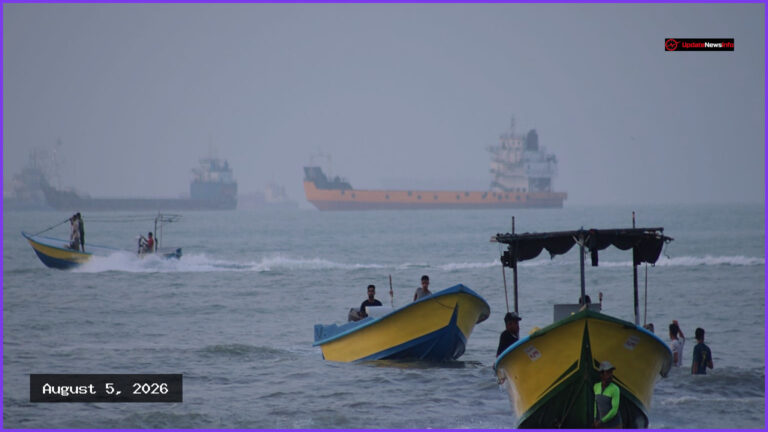
The conflict has now devolved into a war of attrition. Kelanid noted that such wars tend to persist for long periods. While the U.S. has militarily achieved objectives by destroying Iranian ships, planes, and targets while degrading defensive capabilities, the political conflict remains far from resolved. Iran, despite being militarily weakened, can still deny access to the Strait of Hormuz. Unless the U.S. is willing to dramatically escalate its military operations, there is little it can do to stop these disruptions. The Iranians have already countered by stepping up attacks on U.S. allies and commercial shipping, grinding traffic through the Strait to a near standstill once more.
Trump now faces a familiar predicament. The Iranians are again facing American military attacks across their territory, highlighting their inability to defend their territorial sovereignty, while the reimposed blockade cuts off their oil revenue—a vital lifeline for the regime. Trump must choose between further escalation, which carries significant domestic economic and political costs, or settling for a resolution that leaves a hostile regime in power. Elliot Abrams, a senior fellow for Middle Eastern studies at the Council on Foreign Relations, noted that the situation has returned to the initial question of who has more patience: the Iranians, who cannot export oil, or the U.S. and other nations that rely on Persian Gulf oil.
The timing is particularly sensitive for the administration. Although Trump received positive news on Tuesday that consumer prices were dropping, a resumption of full hostilities or further escalation would likely push oil prices back toward previous highs. On Monday, following Trump's initial post, the price of a barrel of oil jumped nearly 10%, marking the largest one-day increase in six years. Such an increase could endanger the positive trend in inflation and put Republicans in a tenuous position heading into the November midterm congressional elections. Trump is also wary of the political risks associated with "forever wars," which he has condemned in previous campaigns, and he is likely hoping to avoid the fate of Lyndon Baines Johnson, whose presidency was hobbled by the Vietnam War.
Ultimately, Trump’s leverage over Iran may be diminished. According to Kelanid, the President has already utilized the options he can credibly and easily perform, such as attacking military and regime targets, which did not cause Iran to surrender in the past. As the war approaches its fifth month, the end of the conflict appears no closer to a resolution than it was in the weeks after it began.