For years, Brussels viewed the obstruction of European Union policy regarding Russia primarily as a Hungarian issue. The government of Viktor Orbán consistently delayed support for Ukraine and sanctions, including a notable move to list Russian Orthodox Patriarch Kirill. While Hungary eventually changed its position under a new administration, the pattern of blockage has simply shifted from Budapest to Sofia.
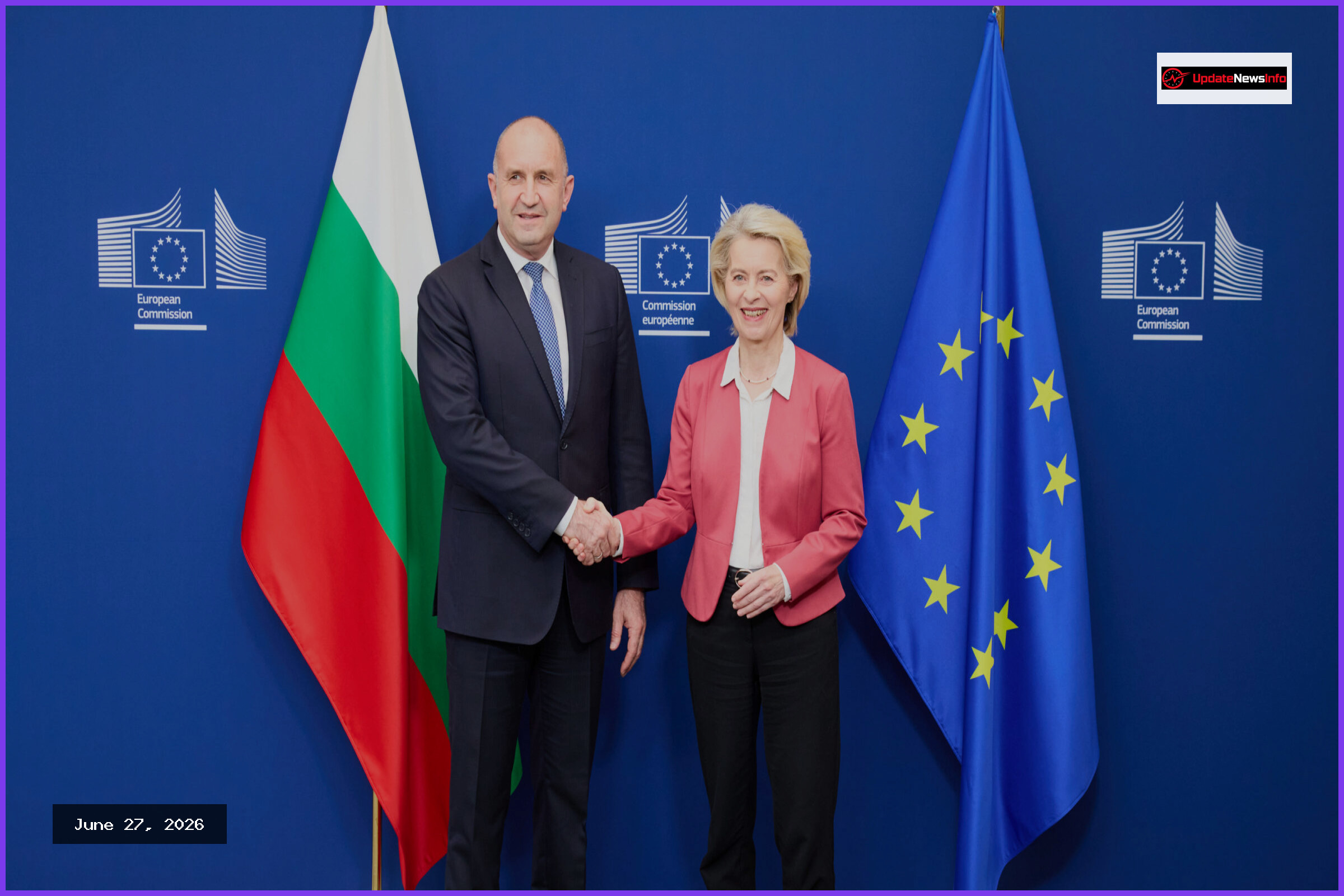
As European leaders convened for a summit in Brussels this June, Bulgarian Prime Minister Rumen Radev indicated that Sofia would likely veto the European Union’s proposed 21st sanctions package against Russia. Radev’s concerns are multifaceted, ranging from geopolitical implications to potential disruptions in supply chains. Specifically, he highlighted the risks associated with adding Patriarch Kirill to the individual travel-ban and asset-freeze list, threats to the operations of Lukoil—which manages Bulgaria’s sole oil refinery—and potential interruptions to necessary spare parts for the Sofia metro and fertilizer supplies.
While individual concerns warrant evaluation, the core issue remains structural within the European Union. The requirement for unanimity means a single member state can effectively stall measures targeting Russian banks, shadow fleets, and export-control evasion until its specific objections are addressed. This creates a scenario where one national government can exert foreign-policy influence over the other 26 member states.
EU sanctions begin under Article 29 of the Treaty on European Union (TEU), which demands unanimity, while the subsequent economic implementation follows a qualified majority under Article 215 of the Treaty on the Functioning of the European Union (TFEU). Because the first step acts as a gatekeeper, the necessity for total agreement turns into a leverage tool. While Bulgaria has legitimate economic concerns regarding infrastructure and refinery stability, these should not necessarily halt unrelated, broader measures against Russia’s military-industrial complex.
Practical solutions include separating individual listings from sectoral sanctions or utilizing Article 31(1) TEU, which allows for constructive abstention. This mechanism has been used previously for Ukraine-related assistance but remains underutilized. By stepping aside rather than blocking, a member state could avoid impeding the union while maintaining its own position.
Ultimately, the European Union should consider moving toward qualified-majority voting for non-military foreign-policy decisions as outlined in Article 31(3) TEU. Until such procedural changes occur, the burden of transparency should be increased, requiring any state that blocks a collective decision to provide a detailed, evidence-based public memorandum explaining their opposition. The persistent shift of the veto power from one capital to another demonstrates that the issue is not about specific personalities, but an systemic rule that enables persistent obstruction.