Each day following the dual earthquakes in Venezuela brings an increasingly grim atmosphere for those left to navigate the aftermath. For many survivors, the nights are defined by desperate prayers for missing loved ones, interrupted by recurring nightmares of collapsing structures and panic.
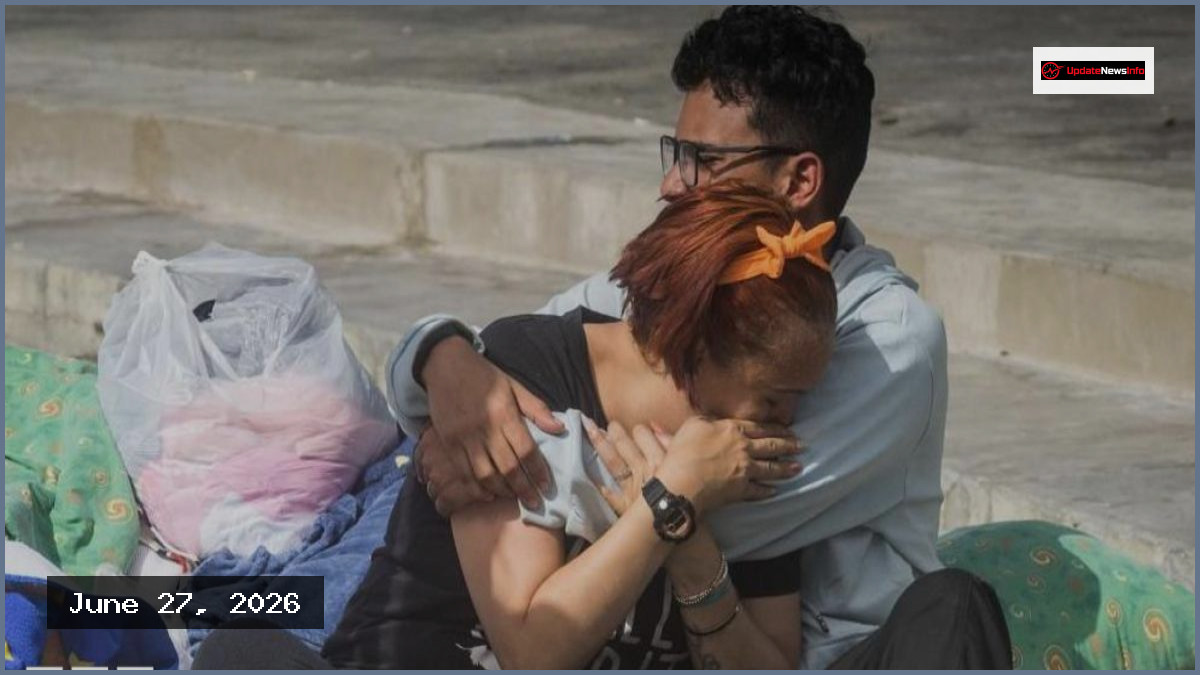
Jan Carlos Roa Garcia, a former police officer, remains among those sleeping outdoors. While his apartment building in Caracas is still standing, it has been declared too unsafe to occupy. Struggling to come to terms with the loss of his stability, he noted that at 50 years old, he is unsure of how to restart his life, especially given that no government authorities have reached out to assist his family.
Other residents are less reserved in their criticism of the state’s response. Musician Zaira Castro, located in a plaza near two flattened buildings, expressed deep frustration, stating that the government has failed to provide meaningful aid. She highlighted that local citizens have instead turned to self-organized mutual support, feeling that the government no longer functions for the people. This sentiment was echoed in the Chacao district, where residents openly confronted Interim President Delcy Rodriguez and the local mayor, accusing them of campaigning during an ongoing tragedy.
In the neighborhood of Los Palos Grandes, the destruction is stark, with the Petunia building reduced to rubble and rescue crews working tirelessly to locate survivors. Nearby, some residents remain in damaged homes, while others are still grappling with the scale of the destruction, which many describe as the most severe disaster they have ever witnessed.
The coastal town of La Guaira has experienced even more catastrophic scenes, with over 100 buildings flattened. Residents like Eileen Lada have issued desperate pleas for machinery to help extract those still trapped under the debris. While Venezuelan and international rescue teams continue to display resilience and focus, the window for survival, typically considered to be 48 hours, has already closed.
Meanwhile, the local healthcare system, already strained by decades of underfunding, is at a breaking point as it attempts to treat survivors. Doctors and nurses are working under the most difficult conditions imaginable to manage the influx of injured patients. As hope fades for the missing, the country is facing what many characterize as the most challenging moment in its modern history.