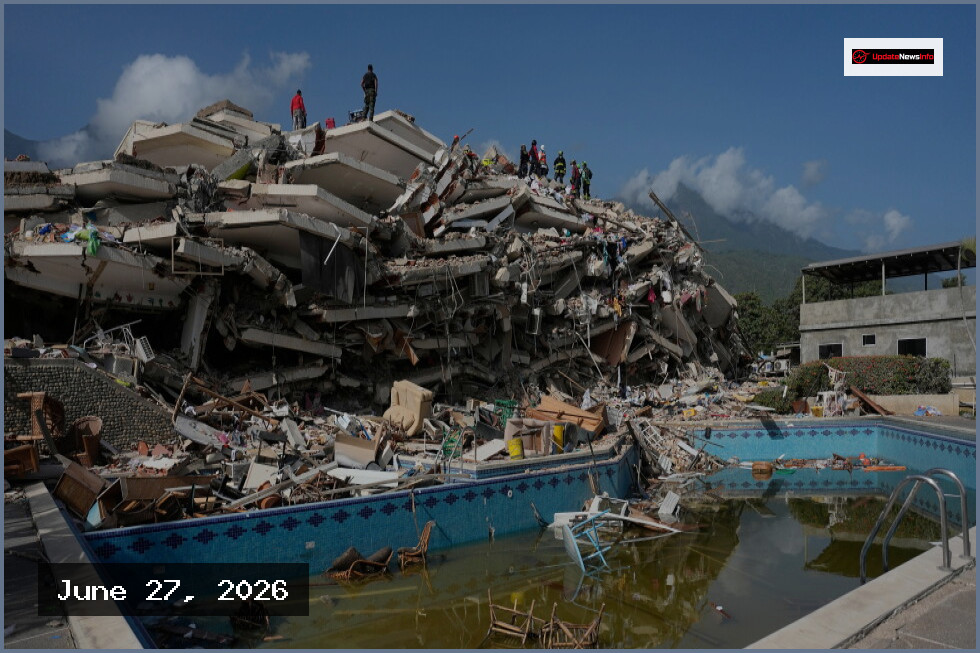
Desperation is intensifying by the hour in Venezuela as survivors frantically clear rubble from collapsed homes and apartments. Three days have passed since a devastating pair of 7.2 and 7.5-magnitude earthquakes struck the region, and search teams acknowledge that the window to find survivors alive is rapidly closing.
On Friday night, authorities announced they would restrict access to La Guaira, the epicenter of the catastrophe, citing traffic and chaos that impeded search operations. Acting President Delcy Rodríguez stated on state television Saturday that approximately 14,000 military and police personnel are currently patrolling the area. Entry is now restricted to those with official permits, though the government has provided limited information regarding the criteria for access.
Many Venezuelans have taken search efforts into their own hands, expressing frustration over a perceived lack of government responders. Despite official claims of a robust response, residents in heavily impacted areas report seeing few state-led rescue teams. As of Friday, the official death toll reached at least 920, with over 51,000 people reported missing. While international aid agencies generally define the first 48 to 72 hours as the most critical for finding survivors, this period can be extended if individuals have access to food and water.
National Assembly President Jorge Rodríguez stated that every saved life is considered a miracle, pledging transparency regarding the scale of the tragedy. In La Guaira, residents like Nazareth Jiménez continue to wait in agony as neighbors use power tools and hammers to penetrate heavy debris in hopes of reaching loved ones trapped beneath the ruins of collapsed buildings.
The disaster presents a significant challenge for Acting President Rodríguez, who assumed office in January following the removal of former President Nicolás Maduro. The nation remains plagued by over a decade of economic instability, and many citizens remain skeptical of the current administration. Beyond the reported 920 deaths, authorities confirmed that more than 3,300 people were injured, while only 243 survivors had been extracted from the rubble by midday Friday.
Experts note that the destruction was worsened by the quick succession of shallow tremors. The International Organization for Migration estimates that as many as 6.76 million people could be affected, including 2 million in the capital, Caracas. For many, the trauma persists, with large numbers of people continuing to sleep in the streets, terrified to return to their damaged homes.
The search process has been frequently interrupted by traffic and local congestion. First responders have struggled with constant noise from motorcycles and honking vehicles, which prevents them from hearing faint calls for help beneath the rubble. In cities like Maiquetia and Catia La Mar, the situation remains tense as crowds gather at pharmacies and stores, and some have resorted to taking basic supplies like food and toilet paper.
Individuals like Yuleidy Cadenas continue to stand near the remains of public housing units, waiting for word on missing family members. Meanwhile, the government reports that 861 volunteers from nations including Mexico, the United States, El Salvador, Switzerland, and Colombia are on the ground assisting in the recovery efforts. Acting President Rodríguez confirmed she had spoken with U.S. President Donald Trump and Secretary of State Marco Rubio, both of whom reaffirmed their commitment to providing necessary rescue teams and aid equipment.