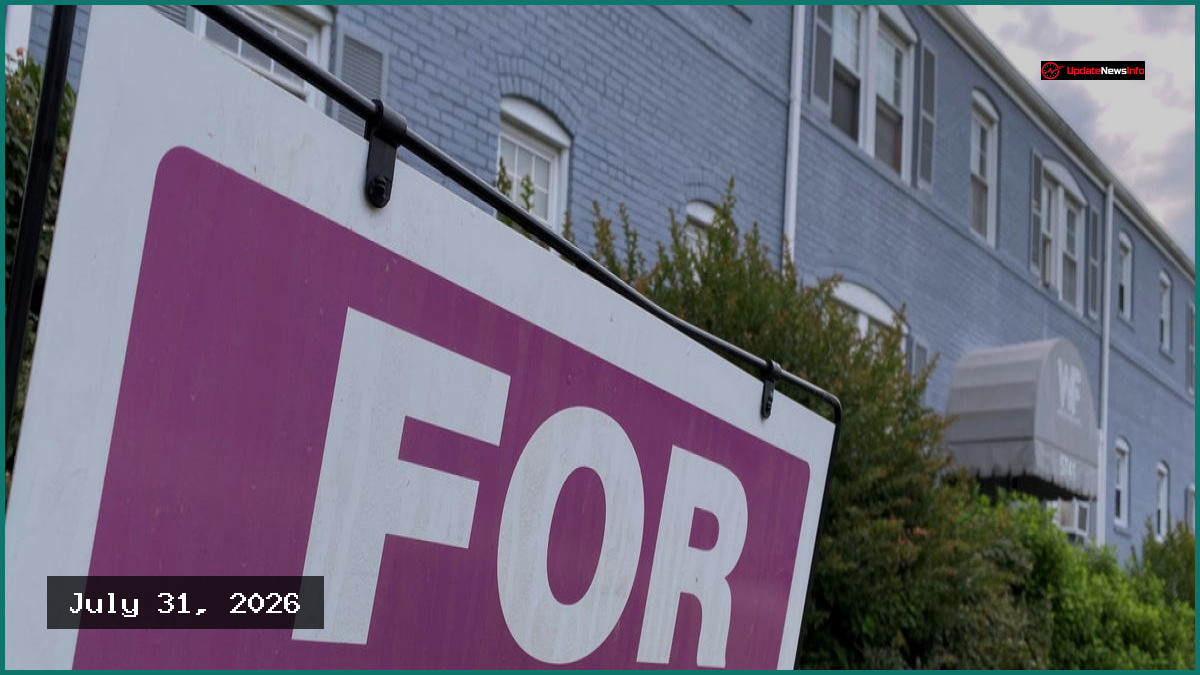
A rental listing for a detached unit in Walnut Creek, California, has triggered significant public backlash after the property owners attempted to impose a $200 monthly work-from-home fee. Marketed as "the Cottage," the newly built one-bedroom, one-bathroom unit was advertised with high-end finishes, a private patio, and access to local amenities like golf courses and equine trails, all for $3,250 a month, which included utilities, internet, and a gardener.
The inclusion of an additional fee specifically targeting remote workers quickly went viral on social media, with many users describing the charge as "insane" or "absurd." The incident reflects broader frustrations in the San Francisco Bay Area, where residents already face some of the highest rental costs in the United States. Similar grievances have appeared elsewhere; one individual on the platform X reported walking away from a potential rental in North Carolina when the landlord told him there would be a $300-a-month home office fee.
The listing for "the Cottage" is no longer active, and the landlords did not respond to requests for comment. Alexandra Alvarado, director of marketing and education at the American Apartment Owners Association, noted that while some landlords may feel emboldened to test unusual fees in highly competitive markets, such charges are not considered best practice. According to Zumper, one-bedroom rents in the Bay Area have surged 23% to $4,180, while two-bedroom units have climbed 26% to $6,020.
While landlords are increasingly mindful of utility costs due to the prevalence of remote work, experts suggest that charging tenants specifically for working from home is difficult to justify. Most property owners typically handle utility splits through specialized billing systems or individual metering based on unit size or occupancy. Stanford University economics professor Nick Bloom, who researches remote work, argued that landlords should actively seek out remote workers rather than penalizing them.
Though some employers have begun mandating office returns, approximately 28% of paid workdays in the Bay Area still occur remotely, a figure that has only slightly decreased from 32% in 2024. As tenants increasingly face hidden add-on costs, many are turning to lawsuits to challenge the practice. Alvarado emphasized that the negative reaction to this specific listing underscores a growing demand for transparent, predictable pricing, which is fueling greater scrutiny and potential regulation of "junk fees" in the rental industry.