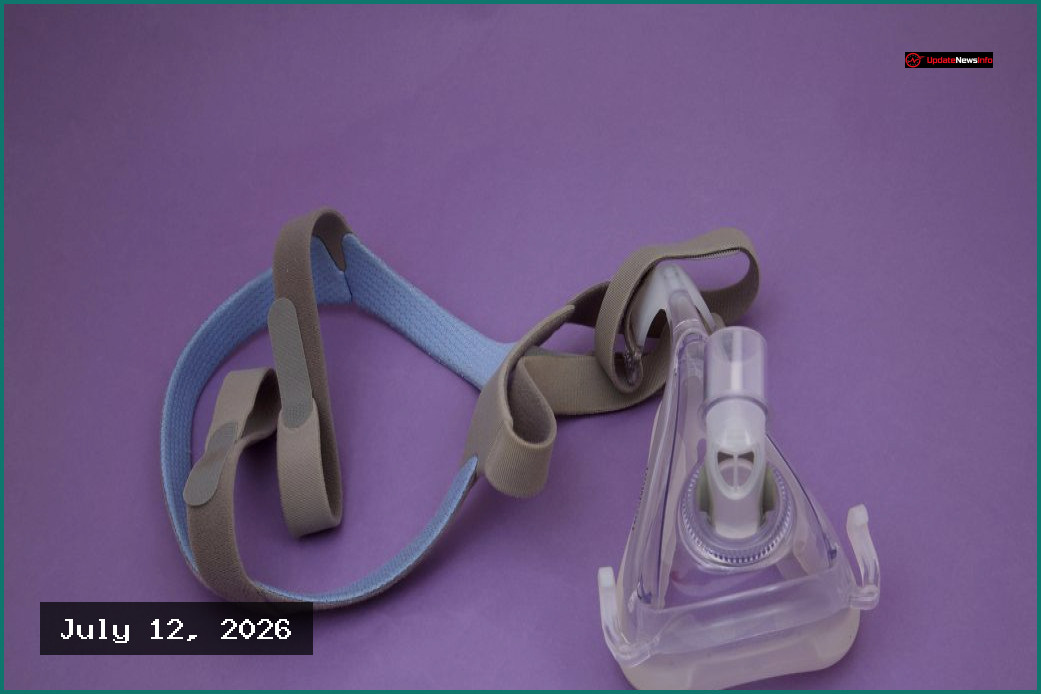
Companies are rapidly adapting their marketing strategies to the evolving “influencer economy,” increasingly turning to everyday customers and employees, often dubbed “baddies,” to create authentic social media content. This shift moves away from traditional polished campaigns and cultivated internet personalities, with medical device maker ResMed leading the charge for even “unsexy” products.
ResMed, a dominant player in the sleep apnea treatment device market, recently hosted its first official “CPAP Baddies” hangout in Vancouver, Canada. This influencer-style event featured merchandise, hors d’oeuvres, and a photobooth. Attendees, who secured invitations via a public Instagram link, were asked in a podcast-style corner about their initial thoughts on the “CPAP baddie” term, with their responses later shared on social media. The company launched its “baddies page” this spring, actively creating content with CPAP users.
The term “baddies,” originating from Gen Z slang, refers to any fashionable, confident individual. Companies are leveraging this concept to reach younger, typically female audiences.
ResMed is not alone in this strategic pivot. Last year, Polymarket initiated Telegram and X (formerly Twitter) pages for the “Baddies of Polymarket,” targeting “girlies” interested in betting markets. Similarly, Starbucks announced last year that some of its employees would produce influencer-style social media content for the company’s official accounts.
This approach stems from a growing recognition that “normal people” content often outperforms highly polished campaigns, according to Keith Bendes, chief strategy officer at influencer marketing agency Linqia. ResMed’s “CPAP Baddies” pages have seen significant engagement, garnering 4.2 million views over the past 30 days and accumulating 6,200 followers across Instagram and TikTok. A 2024 GoDaddy survey of 1,000 consumers further supports this trend, revealing that 40% of Gen Z trusted a product posted by an influencer more than a business, and were more likely to make a purchase based on an influencer’s recommendation than a friend’s.
While this “normal people” content appears authentic, it is often part of a meticulously planned strategy backed by substantial marketing budgets. Some “baddies” are compensated through brand partnerships or ad revenue from their posts, though CPAP Baddies attending ResMed events did not receive additional payment. Bendes noted that these campaigns are essentially “brands spinning up a ‘fan account’ that they themselves operate.”
However, this influencer-style marketing is not always successful. Polymarket’s “Baddies of Polymarket” page, for instance, has not posted on X since April, and the company faced intense scrutiny this year over deceptive marketing tactics involving paid creators.
ResMed Chief Marketing Officer Katrin Pucknat highlighted the company’s experimental approach, stating, “You’ve probably never seen (our ads) on linear television. We are running a lot of experiments to see what works.” With paid influencer marketing potentially reaching its peak, and not every product being inherently “trendy,” companies like ResMed are finding success with more organic brand ambassadors.
An example of this organic appeal is Kaeden Rowland, known as the “Staples Baddie.” Earlier this year, the TikTok user, a print specialist at a Staples in upstate New York, charmed the internet by educating viewers on various store services, from direct mail campaigns to passport renewals and personalized mug offers. Rowland, who previously told CNN she had “no formal training in marketing” and was “just opinionated with cheekbones,” demonstrated the power of genuine, relatable content.
ResMed’s need for creative marketing is particularly acute given the “unsexy” nature of a CPAP machine and recent headwinds from the US Food and Drug Administration’s approval of a GLP1 to treat sleep apnea in adults with obesity. Analysts estimate this could lead to a $270 million to $300 million reduction in annual device sales for ResMed over the next decade. This context explains ResMed’s focus on offline meetups and community pages to build brand loyalty, allowing influencer-like content to engage directly with these communities, unlike traditional advertising.
The definition of a “CPAP Baddie” is inclusive, according to the Instagram account: anyone who uses the device, sleeps next to a user, or supports the sleep apnea community. ResMed even involves its employees in creating videos, such as a dance to Jordin Spark’s “No Air” while wearing CPAP machines. Pucknat emphasized that the goal was “not to engage a lot of influencers and amplify the message but really engage with these real humans (who use the machines).” LeAnn Day, a 43-year-old from Indiana and a member of ResMed’s CPAP Baddies page, confirmed she has been invited to company events but is not paid. She noted the stigma surrounding sleep apnea, stating, “There’s so many people out there that have sleep apnea that don’t talk about it.” Pucknat affirmed that normalizing sleep apnea treatments, especially for women who are disproportionately undiagnosed, is a primary objective of the CPAP Baddies page.
Despite the scrutiny faced by other companies for their marketing tactics, Day views ResMed’s approach positively. “ResMed sees how many people are resonating with other people posting positively about (using CPAP machines). I think they kind of wanted to jump in on that,” Day said, adding, “I don’t necessarily think that’s a bad thing.”
CNN’s Harmeet Kaur contributed to this report.
Scan the QR code to download the CNN app from the Apple Store.