European Union foreign affairs ministers are scheduled to convene this Monday, 13 July, to evaluate potential measures aimed at restricting trade between the EU and illegal Israeli settlements located in the West Bank. The European Commission has presented several options for consideration, including the implementation of an import-licensing regime, the application of higher tariffs, or a complete trade ban on goods originating from these settlements. A central element of the upcoming debate remains the determination of the appropriate legal basis for such actions.
While trade-related measures could theoretically be adopted through a qualified majority vote, the European Commission has historically favored a foreign policy approach that requires unanimity. Unlike foreign policy, which requires unanimity, trade measures could be agreed by qualified majority vote. This preference aligns with the stance of member states like Germany, despite the fact that this methodology has repeatedly failed to produce results in previous instances. No definitive decisions are anticipated during the Monday session; the next window for a formal proposal or vote is not expected until 12 October, just two weeks prior to the Israeli elections on 27 October. Expressing frustration over the timeline, one EU diplomat remarked that everyone is aware nothing will happen, and time is running out.
The agenda for the foreign affairs ministers is extensive, covering critical issues such as the fragile ceasefire in Lebanon, the ongoing humanitarian crisis in Gaza, the situation in Ukraine, Russian visa policies, a strategy for the Black Sea, and broader relations with the United Nations. Additionally, EU officials are slated to meet with representatives from Gulf countries during a lunchtime session to discuss regional cooperation and security.
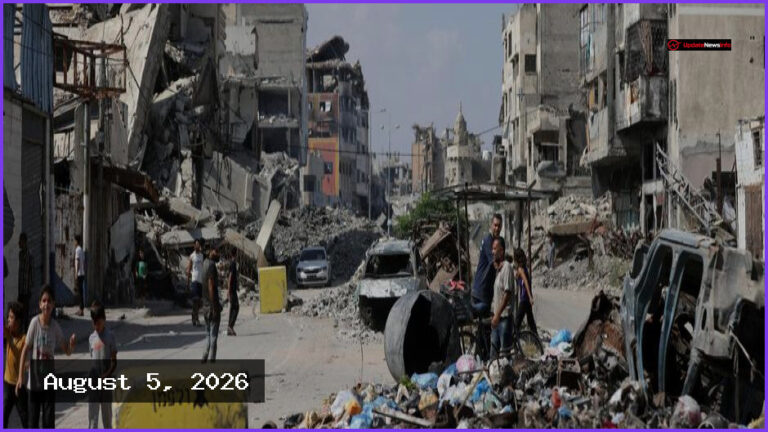
Regarding the Palestinian territories, the European Commission is expected to announce new financial commitments to support the reconstruction of Gaza, with Palestinian Authority Prime Minister Mohammad Mustafa present in Brussels. Although the EU currently stands as the largest donor to Palestine, there have been persistent concerns regarding the lack of transparency concerning how these funds are utilized and their ultimate destination, particularly regarding Gaza-focused aid.
The diplomatic focus will shift on Wednesday as Indian ministers and European Commission officials gather for the EU-India Trade and Technology Council. Discussions during this meeting are expected to center on bilateral trade relations and the ongoing efforts toward World Trade Organization reform.