Rising temperatures and frequent heatwaves are driving a significant surge in energy demand across Europe as more households turn to air conditioning and other cooling methods. According to data, household energy consumption for cooling within the European Union doubled between 2018 and 2024. Specifically, consumption increased from 40.5 thousand terajoules (TJ) in 2018 to 80.4 thousand TJ in 2024, representing a 99% rise. When looking back over a 14-year period starting in 2010, when consumption stood at 15.5 thousand TJ, the total increase reaches 420%.
The growth rates across different nations vary significantly, though these figures should be interpreted with caution as some countries that previously utilized little or no cooling are now adopting these technologies. Austria recorded the most substantial increase between 2018 and 2024, with household energy consumption for cooling rising by over 1,000%, moving from 22 TJ to 253 TJ. Other notable increases include Czechia at 244% and Italy at 193%. Italy currently holds the highest total energy consumption for cooling in the EU at 26.3 thousand TJ, which accounts for nearly one-third, or 32.7%, of the total demand across the bloc. When including candidate countries, Turkey ranks third in total consumption at 13.6 thousand TJ.
Further data shows that energy consumption for space cooling more than doubled in several other nations, including Hungary (171%), Finland (163%), Spain (127%), Slovenia (114%), and Greece (103%). Among the EU's largest economies, France experienced a 52% rise, while Germany remained relatively stable with an 8% increase. As of 2024, the EU average for cooling energy consumption stood at 0.84%. It is important to note that a zero in the data indicates no reported consumption rather than a lack of growth.
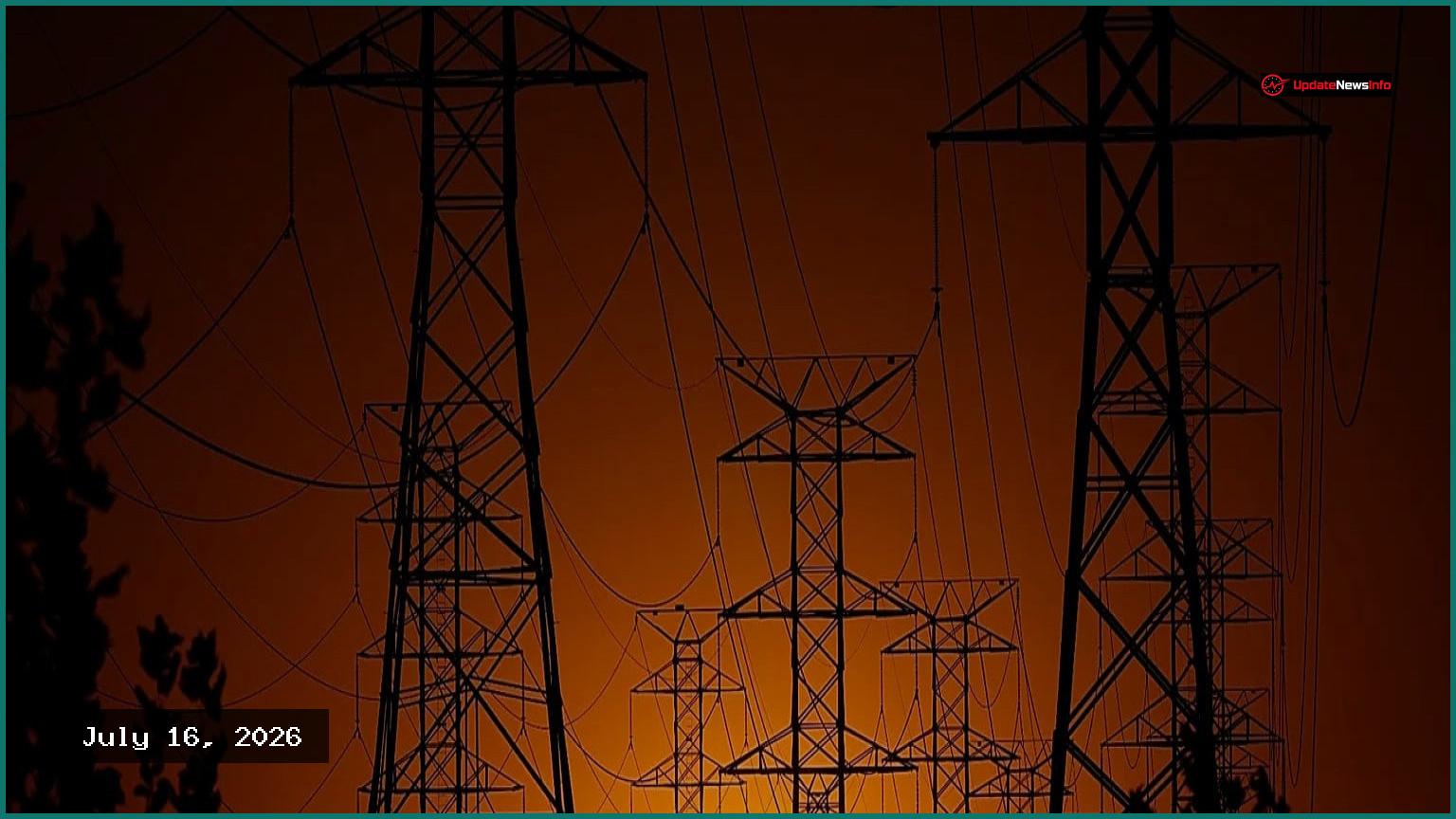
This shift is fundamentally reshaping the European electricity market. June 2026 was the hottest June on record for western Europe and the second warmest globally, according to Copernicus, following the three warmest years on record globally: 2024, 2023, and 2025. During the June 2026 heatwaves, electricity demand spiked across the EU's four largest economies. France's grid operator, RTE, notes that every 1°C rise in temperature typically adds between 0.7 GW and 1 GW of electricity demand, with cooling likely accounting for an extra 10 to 14 GW during the hottest days.
The increased demand, combined with constrained supply—such as weak wind generation in Germany and temporary nuclear output cuts in France due to unusually warm river water—pushed wholesale power prices sharply higher. Prices exceeded €200 per megawatt-hour (MWh) in Germany, reached nearly €160/MWh in France, and surpassed €110/MWh in Spain. While these wholesale spikes do not immediately impact household bills, prolonged increases can eventually influence retail electricity prices. Europe is currently the fastest-warming continent on Earth, heating up twice as fast as the global average, with FAO data indicating that the 10 countries experiencing the highest temperature increases in 2023 were all located in Europe.