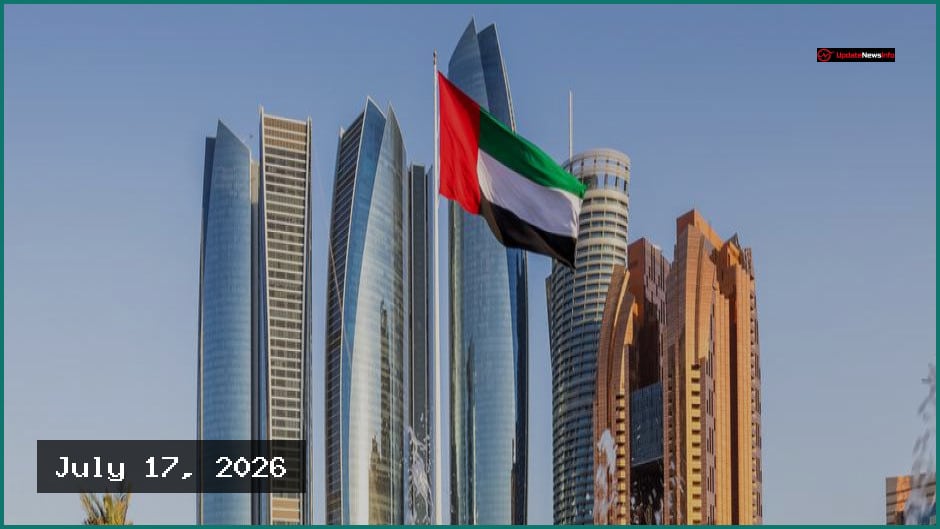
Wealthy Gulf states are aggressively expanding their economic footprint in Africa, investing billions of dollars across the continent with varying strategic objectives. A recent example of this trend is the move by ADNOC Distribution, an Abu Dhabi-based petroleum retailer, to acquire Shell’s fuel business and petrol stations in South Africa for an estimated $1 billion, or approximately €870 million. This acquisition effectively secures a significant foothold for Abu Dhabi within the African fuel market.
According to data from the UK-based think tank Chatham House, member nations of the Gulf Cooperation Council (GCC) have invested more than $100 billion in Africa over the past decade. Of this total, the United Arab Emirates (UAE) contributed approximately $59 billion, while Saudi Arabia invested $26 billion. Stephan Roll, a senior fellow in the Africa and Middle East division at the German Institute for International and Security Affairs, noted that Africa is increasingly viewed as a neighbor rather than a distant region, given long-standing social and economic ties. He suggested that the rising engagement should not come as a surprise, as the two regions have maintained central trade routes in eastern Africa for decades.
Maddalena Procopio, a senior policy fellow in the Africa program at the European Council on Foreign Relations, explained that these investments are driven by a dual necessity: the need for Gulf nations to diversify away from hydrocarbons and the desire to strengthen their own economic projection. She noted that these states see the rest of Africa as an incredible potential market where they can generate revenue in sectors they have not previously ventured into. Analyses from institutions including the Brookings Institution, Chatham House, and the African Development Bank Group indicate that this capital is primarily flowing into energy, ports, logistics, agriculture, and critical raw materials. These sectors are vital for securing trade routes, strengthening food security, and ensuring access to resources like copper, cobalt, and lithium, which are essential for the development of artificial intelligence and electric vehicles.
Strategies vary significantly between the Gulf powers. The UAE and Saudi Arabia are heavily focused on renewable energy and the processing and distribution of petroleum products, whereas Qatar has maintained a more selective approach, focusing on specific economic cooperation. Experts view the UAE’s strategy as a comprehensive package where commercial interests in ports and logistics are intrinsically linked to foreign policy and security goals. In contrast, Saudi Arabia is described as being more selective, concentrating on energy and development financing through both bilateral channels and multilateral institutions like the Islamic Development Bank. Roll noted that he does not believe the Saudis are interested in competing directly with the UAE regarding these investments.
Procopio highlighted that the UAE’s development model necessitates building extensive commercial relationships abroad due to its smaller size, whereas Saudi Arabia, being a much larger country, aligns its foreign trade goals more closely with its internal plans for economic transformation. Furthermore, she argued that the UAE's commercial footprint often carries a strong political dimension, with investments aimed at projecting power and challenging Saudi Arabia's regional standing.
A notable advantage of Gulf financing is a preference for investment over loans, which contrasts with the approach often taken by other international partners like China. This makes Gulf capital more accessible and less burdened by political conditions, allowing African states to maintain broader international alliances. However, the trend is not without controversy. Critics, including Chatham House and the Brookings Institution, have warned that these investments often prioritize the strategic interests of the financiers, potentially reducing African nations to mere suppliers of raw materials. There is a broader concern that these projects could create new dependencies on strategic infrastructure or the export of unprocessed raw materials. Roll argued that while the investments themselves are not inherently problematic, the new dependencies created through strategic infrastructure or raw material exports remain a challenge. Whether this massive influx of capital will successfully lead to industrialization remains an open question. Experts agree that the ultimate success of these partnerships depends on how African nations utilize these funds to support domestic industry and long-term economic growth.
"One of the biggest reasons why they started to look at Africa differently, especially over the past 10 years or so, has been the need to diversify away from hydrocarbons and also strengthen their own economic projection," Maddalena Procopio, a senior policy fellow in the Africa program at the European Council on Forei
To view this video please enable JavaScript, and consider upgrading to a web browser that supports HTML5 video