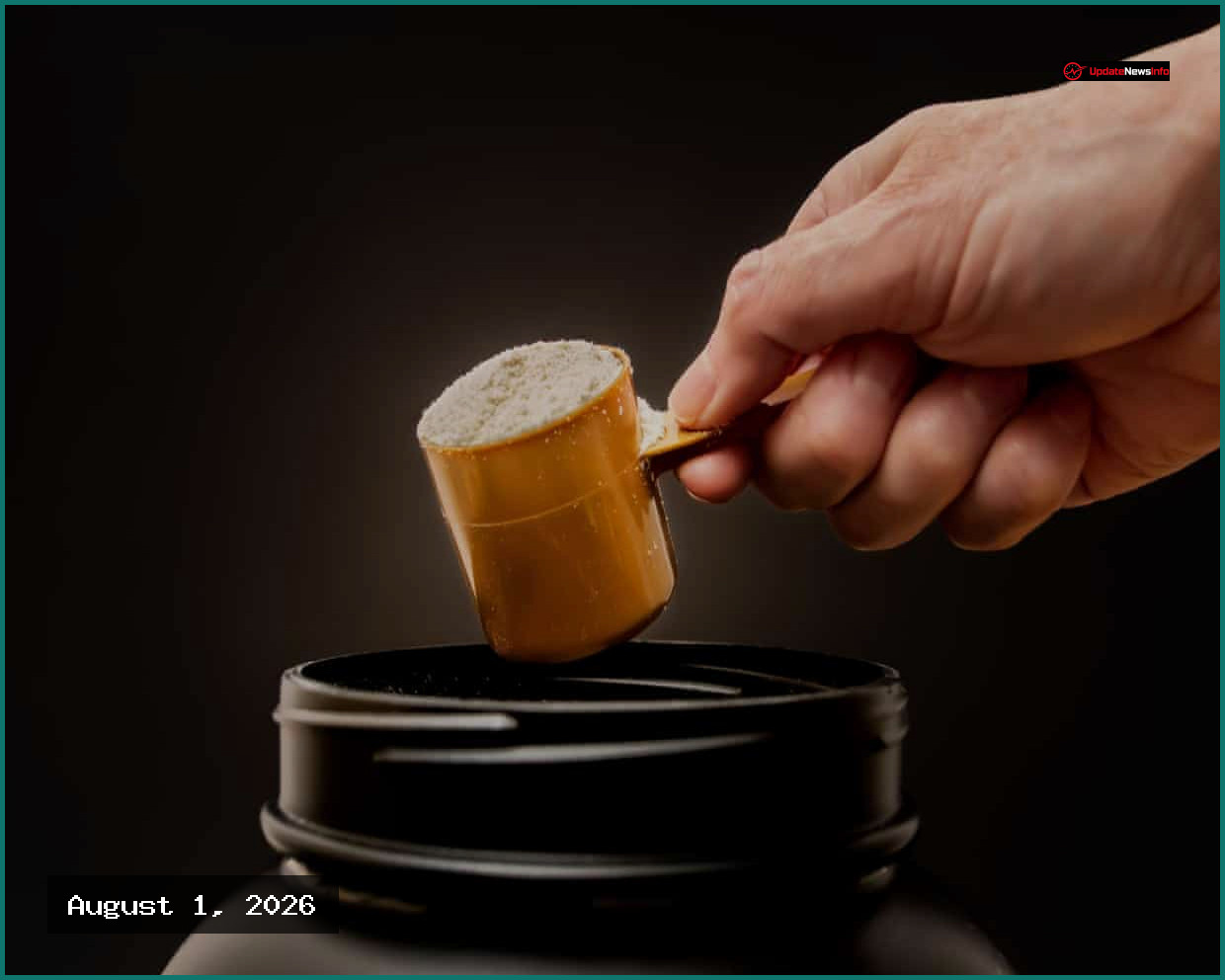
The growing consumer trend of “proteinmaxxing”—a lifestyle focused on maximizing protein intake—is raising alarms among experts regarding the future affordability of infant formula. Whey protein, a critical ingredient used to mimic human breast milk in infant nutrition, has seen a dramatic surge in demand over the past year. This trend is being driven by health professionals emphasizing protein benefits, as well as the widespread use of GLP-1 weight-loss medications. Users of these drugs, which suppress appetite, are increasingly turning to concentrated whey protein found in shakes and bars to help preserve muscle mass while losing weight.
Market data highlights the severity of the price surge. According to the global market intelligence platform Expana, the cost of whey protein concentrate 80, which contains 80% pure protein, has more than doubled. In July 2025, the price stood at €11,733 (£10,050) per metric tonne; it has since climbed to €25,875. Because high-whey formulas are specifically engineered for newborns and infants under one year old to ensure proper digestibility and protein balance, manufacturers are finding it increasingly difficult to absorb these rising input costs.
The financial strain is already reaching consumers. Data from the Office for National Statistics shows that the average price of baby formula has risen by 4.8% over the past year, with a 750g box now retailing at £12.11, up from £11.55 a year ago. Dr. Vicky Sibson, director of the First Steps Nutrition Trust, an independent UK public health nutrition charity, warned that these significant increases in ingredient costs risk being passed directly to families. She pointed to a report from the Competition and Markets Authority (CMA) which confirmed that manufacturers have historically passed input cost increases on to consumers, even during the height of the cost of living crisis.
Dr. Sibson described the situation as “hugely concerning,” citing mounting evidence that many families are already struggling to afford formula. She noted that some parents are resorting to potentially harmful coping strategies, such as watering down feeds. To address this, she suggested that the government should consider implementing a mandatory price or profit cap, noting that the CMA previously identified profit margins for manufacturers ranging between 50% and 75%. She argued that companies should not be permitted to protect these margins at the expense of the wellbeing of babies and their families.
In an effort to mitigate these costs, some manufacturers have begun reformulating their products to incorporate more D90 demineralised whey powder. This ingredient, which has 90% of its minerals removed, allows producers to achieve the necessary whey-to-casein ratio while providing both whey proteins and lactose. However, as more companies switch to this alternative, demand for D90 has spiked, causing its price to rise as well. Jose Saiz, who covers the European dairy market at Expana, noted that while the extent of cost pass-through varies by brand, many manufacturers now view current whey protein prices as economically unsustainable at existing retail levels. He added that many in the industry believe further consumer price increases will be necessary unless raw material costs begin to ease.