The United States government is set to impose 25% tariffs on a range of imports from Brazil, citing what it describes as unfair trade practices within the world's 10th-largest economy. These tariffs, which were initially proposed last month, are scheduled to take effect on July 22. The decision follows a yearlong investigation conducted by the Office of the U.S. Trade Representative, which identified issues including unfair domestic tariffs and a lack of anti-corruption enforcement.
While the measure is broad, the administration has excluded certain goods from the tariff list to prevent potential supply chain disruptions or to accommodate products not manufactured within the United States. Exempted items include coffee, beef, oranges, orange juice, specific oil and gas energy products, and aerospace components. Senior officials within the Trump administration emphasized that they are being strategic by targeting goods that cannot be easily duplicated domestically.
U.S. Trade Representative Jamieson Greer stated that Brazil’s trading practices have hindered American producers and workers from accessing a market of over 210 million consumers. Greer highlighted several grievances, including the punishment of U.S. technology companies for refusing to censor political speech, backsliding on anti-corruption efforts, and the exploitation of illegally logged land by Brazilian farmers to gain a competitive edge over their American counterparts. According to officials, the U.S. had provided the Brazilian government time to address these concerns, noting that while constructive meetings occurred in the last six weeks, sufficient progress remained elusive.
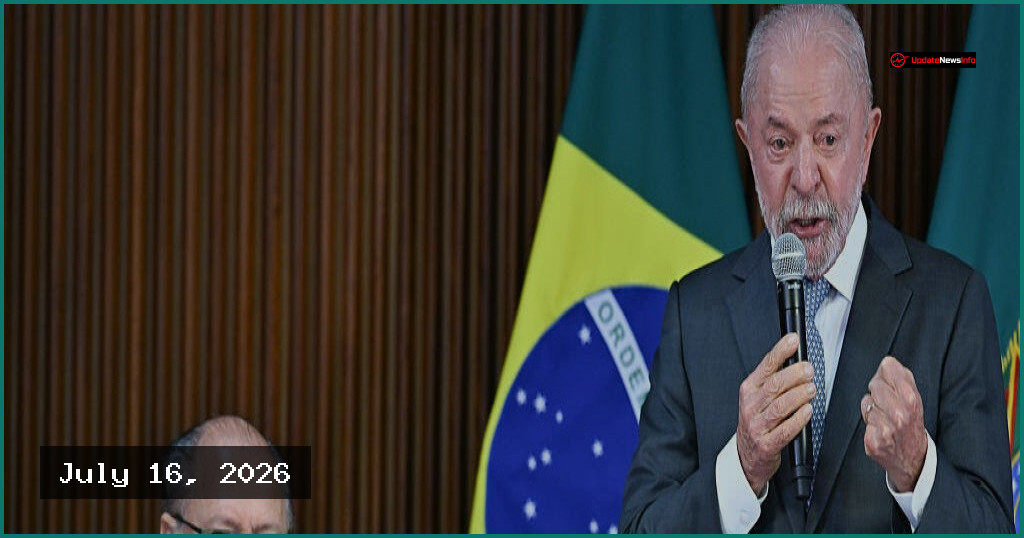
Brazilian President Luiz Inácio Lula da Silva expressed strong opposition to the move, rejecting the allegations of unfair trade practices. In a social media statement, he argued that there is no justification for such unilateral measures, noting that the U.S. has maintained a goods and services trade surplus with Brazil totaling $424.5 billion over the past 15 years. Lula previously suggested that the move was politically motivated, pointing to the influence of his election rival, Sen. Flávio Bolsonaro, who is the son of former President Jair Bolsonaro.
Administration officials dismissed the claim that politics influenced the decision, maintaining that these trade grievances have been public for a significant period. The tariffs are being implemented under Section 301 of the Trade Act of 1974. This action follows a turbulent history of trade relations, including a previous 50% tariff imposed by Trump to protest Brazil’s prosecution of Jair Bolsonaro, as well as the lifting of 40% tariffs on Brazilian beef and coffee in November 2025. Additionally, the U.S. Supreme Court previously ruled against separate tariffs imposed under the International Emergency Economic Powers Act of 1977, finding that the administration had overstepped its authority in those instances.