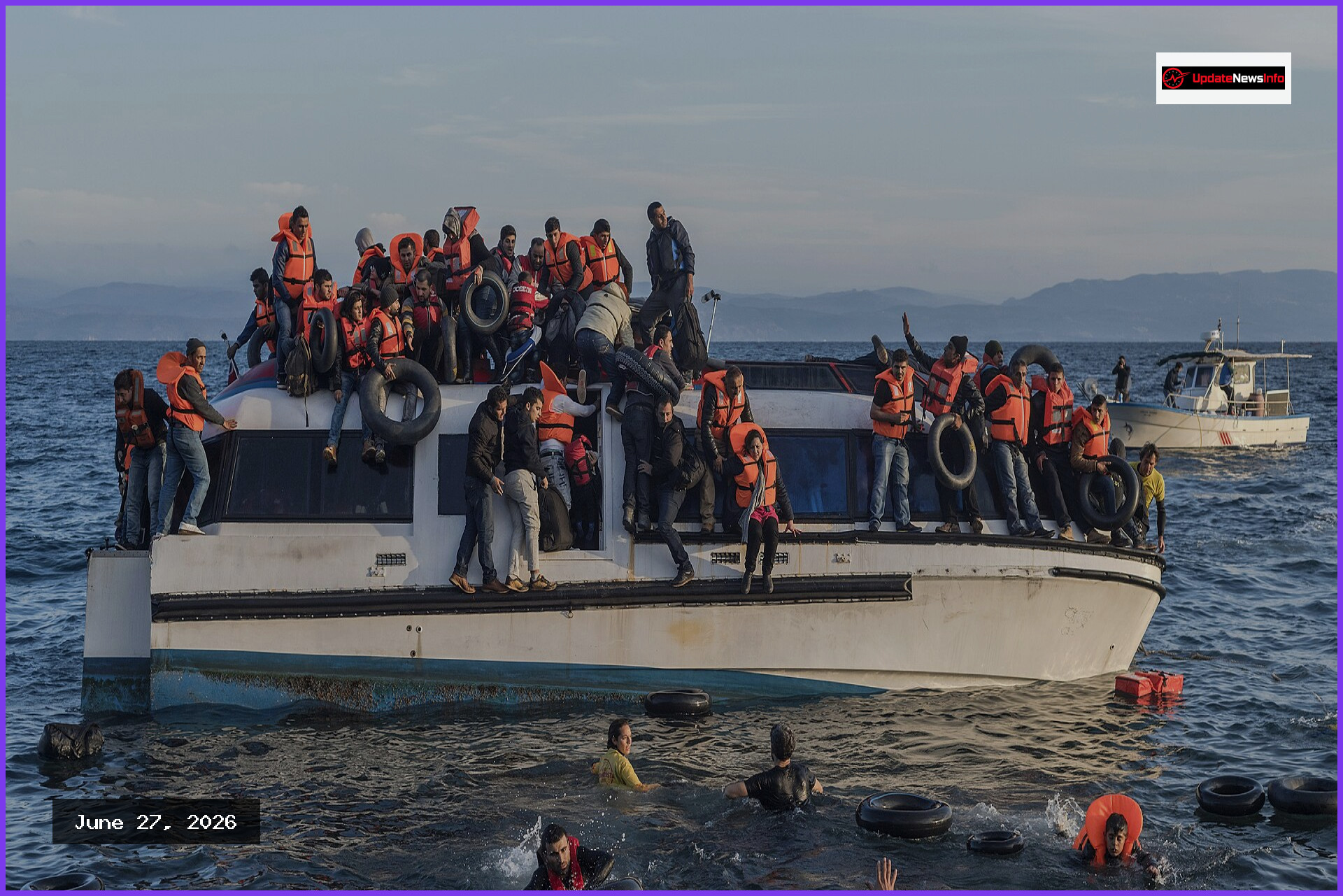
Since the European Union officially implemented its pact on migration and asylum on 12 June, the rollout has generated more uncertainty and criticism than tangible success. The agreement was designed to expedite the processing of migrants through more stringent screening methods, yet it has primarily resulted in heightened surveillance across various member states without effectively deterring individuals from attempting the hazardous and expensive journey to Europe.
A Syrian asylum seeker, who has been held in a closed reception facility in Bulgaria for at least 18 months, described the situation as increasingly oppressive. He noted that guards frequently threaten them with deportation, creating a climate of fear. According to the detainee, the atmosphere deteriorated further when Frontex arrived on the day the pact was implemented to initiate widespread fingerprinting of everyone present. While officials had initially claimed that the new screening procedures would only target those with criminal histories, the asylum seeker reported that authorities removed a fellow detainee the very next day.
The migration pact was established by EU member states as a collective effort to manage migration flows in 2024, with the deadline for initial implementation now passed by two weeks. Despite widespread concerns and inconsistent application of the rules across different countries, the European Commission continues to promote the agreement as a significant achievement.
Key components of the pact include the establishment of an expensive, EU-wide biometric database, the introduction of rigorous screening processes for children starting at the age of six, and new solidarity mechanisms intended to support countries that bear the brunt of migration numbers. The EU has invested €3bn to support these operational changes and claims that the system will accelerate processing times. However, in an environment characterized by increasingly strict border policies, refugees rescued at sea by the NGO SOS Humanity have reported an increase in normalized violence by EU-backed Libyan coast guards tasked with preventing migrants from crossing the Mediterranean.